
Key Takeaways
Finding a suitable engine for your vehicle requires careful planning and research to ensure long-term performance. This guide covers the essential steps for acquiring replacement components locally.
- Accurately match your engine code to ensure unit compatibility.
- Research wreckers in the Mandurah area to find reliable suppliers.
- Verify the vehicle history and mileage of the donor engine.
- Decide between the logistical ease of delivery or cost-saving local pickup.
- Always confirm warranty terms and return policies before completing any purchase.
Understanding Mini Cooper engine specifications
Navigating the technical landscape of engine replacement is the foundational step for any owner looking to extend their vehicle’s life. Focusing on strict compatibility ensures that your replacement unit integrates seamlessly with the existing chassis and peripheral systems. By mastering the core details of your powertrain, you minimize the risk of mechanical errors during the transition process.
Identifying your specific engine code
The engine code serves as your primary reference for confirming that a replacement part matches your current vehicle. You can typically find this sequence stamped directly onto the engine block, often near the transmission bell housing or the cylinder head assembly. Cross-referencing this code against the Mini proper factory specifications is the only way to avoid mismatches that cause mounting or sensor communication failures.
Differences between engine generations
Each generation of these vehicles introduced significant mechanical revisions, ranging from changes in forced induction systems to updated crankshaft designs. A first-generation engine will not physically bolt into a third-generation mount, even if the displacement appears identical. Understanding these evolutionary shifts prevents the purchase of a component that relies on incompatible control hardware or auxiliary pulleys.
Reliability factors for various MINI models
Certain production years are noted for specific thermal management improvements, while others might struggle with timing chain longevity. It pays to investigate which years received updated components from the manufacturer before you commit to a specific donor engine. Checking the production date of the candidate unit allows you to gauge whether it incorporates the late-life engineering refinements that improve overall durability.
Compatibility with your current vehicle
Even engines with the same model designation may require different wiring harnesses or ECU calibrations depending on the transmission type. Ensure the donor engine supports your current vehicle configuration, including whether it was originally paired with an automatic or a manual gearbox. A mismatch here usually leads to extensive electrical troubleshooting that turns a simple swap into a complex project.
Sourcing quality used Mini Cooper engines in Mandurah
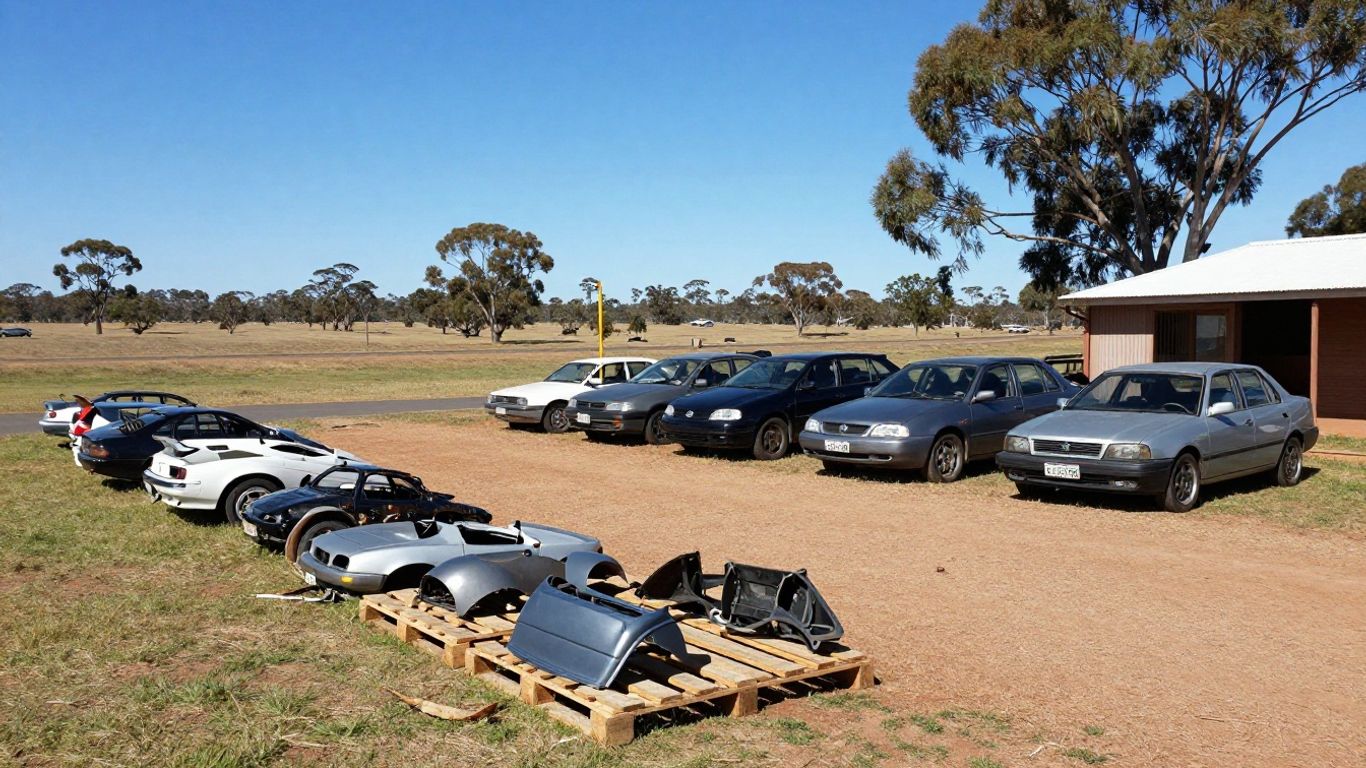
Finding a reliable engine locally in Mandurah requires a methodical approach that prioritizes proven components over bargain pricing. Connecting with established yards allows you to establish a relationship with local professionals who understand these vehicles. This proximity also simplifies the logistical challenges associated with transporting heavy and delicate iron blocks across the region.
Locating reputable wrecking yards in the region
Start your search by identifying businesses that specialize in European imports, as they are more likely to have a consistent supply of these specific engines. Personal visits often pay off, as staff members can sometimes provide insights into the general health of their inventory that might not be visible in online listings. Establishing a local rapport can also give you early access to fresh stock as vehicles arrive.
Assessing the vehicle history of the donor car
Always ask for details concerning how the donor car was used, such as whether it was involved in a total-loss collision or if it simply arrived as a fleet surplus unit. Vehicles that finished their service life due to accident damage often provide better internal components than cars abandoned because of chronic, unresolved mechanical neglect. A clear, documented history helps you estimate the true remaining lifespan of the engine internals.
Importance of low-mileage verification
Low mileage is a significant asset, but it must be verifiable through logbooks or official service records to be meaningful. Be cautious of units that lack supporting documentation, as odometer readings can be manipulated or miscommunicated in salvage environments. Requesting a photo of the vehicle’s dashboard or a record from a Mini official parts catalog system may provide better certainty regarding the unit’s actual usage.
Inspecting components for signs of damage or leaks
Even a low-mileage engine can suffer from improper storage or handling damage that compromises its seals. A visual inspection should focus on identifying common failure points before you finalize your purchase.
| Component Area | Inspection Focus | Red Flag |
|---|---|---|
| Valve Cover | Gasket integrity | Heavy oil sludge |
| Oil Pan | Damage or impacts | Deformed metal skin |
| Wiring Harness | Connector conditions | Corroded or cut pins |
Carefully checking these areas during your viewing minimizes the likelihood of discovering performance-robbing issues after the engine is already installed in your engine bay.
Logistics: local pickup versus professional delivery
Moving an engine from a wrecking yard to your mechanic is an exercise in careful planning, primarily because of the extreme weight and the precision required for handling components. Engaging a local professional for logistics can save you significant effort, but it also alters the final price structure of your repair project. Balancing these factors is vital for anyone not equipped with specialized heavy-handling gear.
Pros and cons of retrieving your engine in person
Collecting the unit yourself gives you direct oversight of the loading process, ensuring the block is secured properly on your trailer or truck bed. This approach eliminates freight fees and allows for an immediate inspection before the part ever leaves the yard’s control. However, it requires a sturdy vehicle capable of towing the weight and the time commitment to travel to Mandurah-based yards.
Coordinating secure transport for heavy engine components
If you lack the appropriate vehicle, hiring a local courier service experienced in handling machinery is the superior choice. These professionals typically use lift gates and dedicated pallets, which significantly reduces the risk of the engine tipping over during transport. Ensure the transport provider is briefed on the requirement to keep the engine upright to prevent residual fluids from leaking into sensitive areas.
Delivery timelines for Mandurah-based sellers
Most local suppliers can arrange for regional transit, but lead times can fluctuate based on driver availability and current demand. It is common to see delivery windows ranging from a few days to over a week, depending on the distance the freight must travel. Confirming the specific timeline in writing ensures your mechanic can prepare the service bay to receive the unit promptly.
Handling freight damages during transit
Transporting heavy metal blocks to your workshop involves inherent risks that require mindful preparation and communication.
Documenting the condition of the engine through high-resolution photography immediately upon unloading is essential for any potential insurance claims. Ensure that the pallet is inspected for signs of crushing or puncture before you sign off on the delivery receipt, as this protects you against hidden transport hazards.
Protecting your investment during these final miles of delivery is the best way to ensure the engine arrives in the same state it was documented during your initial inspection.
Costs and budget planning
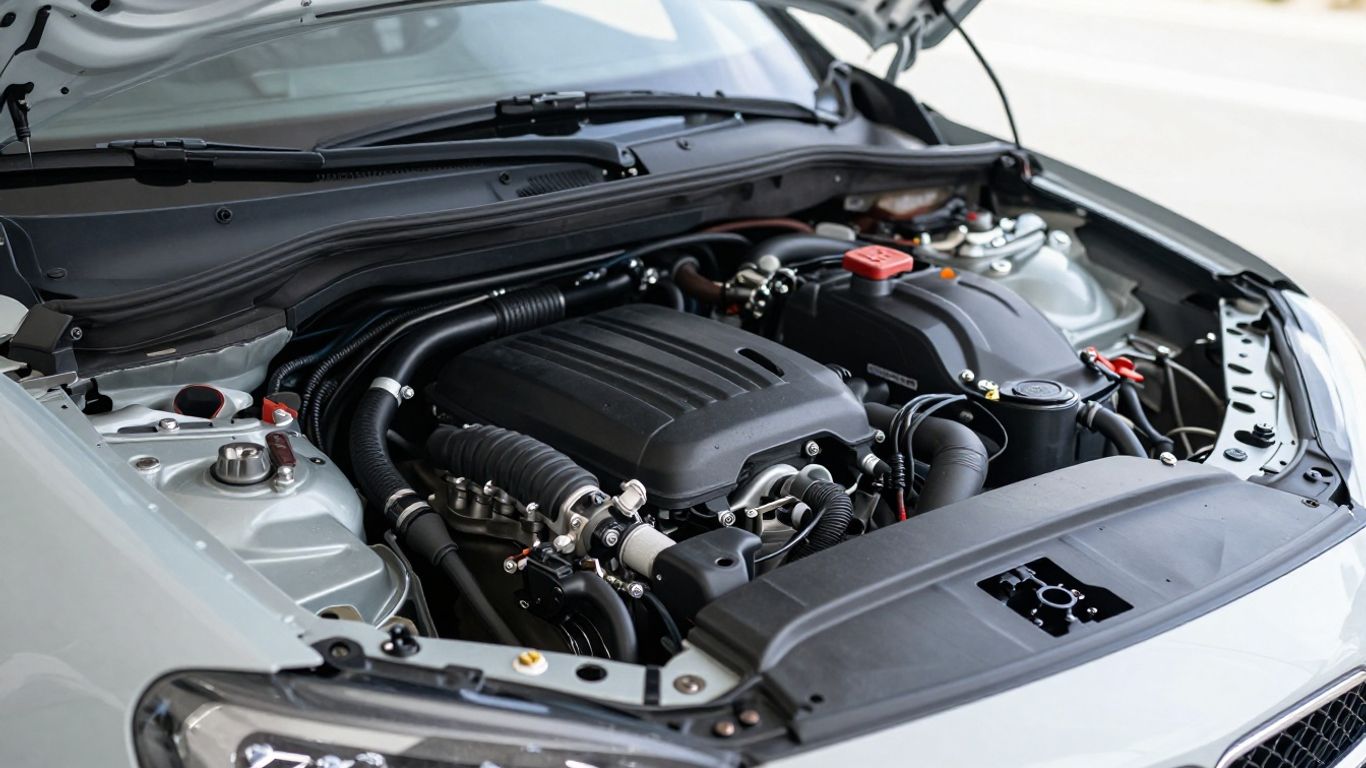
Setting a realistic budget for this project must extend far beyond the initial cost of the engine unit itself. Factor in the peripheral costs, including new fluids, seals, and labor, to avoid finding yourself with a drained bank account partway through the installation. Understanding these financial variables allows for a more relaxed decision-making process while searching for your desired used Mini Cooper engines Mandurah – local pickup or delivery options.
Pricing variations based on model and year
Prices often scale with the complexity and rarity of the specific engine variant, with later model years typically commanding higher rates. Highly sought-after performance trims will naturally sit at the top of the price bracket, while standard, high-volume models are often more affordable. Comparing prices between different yards can help you find a reasonable market rate for a specific production year.
Hidden costs of engine replacement
Most enthusiasts often overlook the cost of essential consumables like timing chains, water pumps, and spark plugs that are much easier to replace while the engine is out of the car. Additionally, ensure you have allocated budget for professional engine software calibration once the unit is fitted. These items can quickly add a substantial amount to your final repair bill, so keeping a contingency fund is vital.
Negotiating prices with local wreckers
When dealing directly with wreckers, clarity regarding what is included with the engine, such as intake manifolds or alternators, can significantly impact the value proposition. Polite negotiation around prices is possible, especially if you show that you are a serious buyer ready to organize your own pickup or if you are purchasing a matching transmission at the same time. Being informed about the going rates in the broader Mandurah automotive market gives you better leverage during these discussions.
Payment terms for delivery services
Many suppliers require full payment for both the engine and the associated shipping costs before the item is released to a courier. Always ask for a clear breakdown of costs so you are not surprised by secondary charges later. Paying through traceable methods provides an extra layer of protection, particularly if the delivery process encounters unexpected delays or requires additional handling fees during transit.
Warranty and returns for replacement parts
Security is paramount when buying used mechanical components, making the warranty terms of your purchase a critical detail to verify in person or via email. A reputable seller should stand behind the quality of their work and provide a safety net should the engine prove faulty during its initial run. Never proceed with a transaction unless you fully understand the limitations and requirements of the provided guarantee.
Standard warranty periods for used automotive parts
Many wreckers offer a limited warranty period, often ranging from thirty to ninety days, which is intended to cover major internal failures. This window is typically designed to allow you adequate time to install the part and confirm its functionality through normal operation. Clarify whether this period begins on the day of purchase or the day the engine is delivered to your site.
What is typically covered under a used engine warranty
Most warranties focus exclusively on major mechanical items like the block, heads, and camshafts, rather than external attachments like sensors or fuel injectors. Issues occurring due to improper installation—such as over-heating or oil starvation—are almost never covered by a seller’s guarantee. It is vital to read the specific fine print so you know exactly which events are excluded from the coverage.
Documentation requirements for return claims
To file a valid return, you will likely need to produce professional service receipts demonstrating that the installation was performed correctly by a qualified mechanic. Keep detailed files of your purchase confirmation, proof of delivery, and any diagnostic reports generated during the initial testing phase. These documents serve as the primary evidence if you ever need to contest a mechanical issue discovered shortly after installation.
Verifying testing reports prior to purchase
If the supplier has performed compression tests or run the engine on a stand, ask to see these reports before proceeding. High-quality sellers will often have these numbers recorded to justify their pricing and to prove the engine remains in solid working condition. Ensuring this data is available and matches your expectations reduces the risk of buying a stalled unit that requires a total rebuild before it can even turn a gear.
Installation and engine testing
Proper installation is the deciding factor in the longevity and reliability of your used engine. Engaging with experienced professionals ensures that every bolt is torqued correctly and all sensitive electronics are correctly mapped to your car’s control module. Taking your time during this late stage prevents the frustration of minor leaks or startup failures that can haunt a rushed job.
Finding qualified mechanics in Mandurah
Seek out mechanics who have specific experience with European vehicles, as they will be familiar with the unique quirks and service requirements of these machines. A shop that has access to the Mini genuine service manual resources will provide much higher levels of confidence than a general-purpose garage that might struggle with proprietary sensors. Check online reviews or ask for referrals from your local community to ensure you are leaving your car in skilled hands.
Essential maintenance before first start-up
Before the engine is ever turned over, replace all basic service items such as the oil, coolant, and primary filters. This prevents the circulation of old sediment or degraded fluids through the new, clean surfaces of the engine. It is also a good moment to replace any rubber hoses or worn seals that might be difficult to reach once the unit is fully installed.
Common installation mistakes to avoid
One frequent error involves failing to calibrate the engine management system after the swap, which can cause erratic idle or reduced power. Another common pitfall is neglecting to bleed the cooling system thoroughly, which can lead to localized air pockets and rapid overheating. A methodical, step-by-step approach—often guided by the relevant technical literature—is the best defense against these avoidable installation issues.
Initial performance testing and diagnostics
Once the engine is up and running, the process concludes with a period of close monitoring and diagnostic analysis. Use an OBD-II scanner to watch for stored error codes and verify that the fuel trim levels and ignition timing are within expected factory ranges. Taking the vehicle for a series of short, low-stress test drives allows you to confirm that the swap is successful and the new unit is operating exactly as it should.
Conclusion
Acquiring a replacement engine for your vehicle is a significant undertaking that benefits greatly from calculated, patient decision-making. By focusing on your specific engine specifications, vetting your local sellers in Mandurah, and ensuring a diligent installation process, you can restore your vehicle to peak performance without breaking your budget. With the right preparation and attention to detail, your car will continue to serve you well for many miles to come.