Key Takeaways
Sourcing replacement parts for your vehicle through specialized salvage services remains a practical choice for many drivers. Consider these essential points when navigating the market for Mini components:
- Salvage yards offer deep cost savings compared to retail dealership prices.
- Identifying the exact generation of your vehicle ensures part compatibility.
- Physical inspections of mechanical components prevent post-purchase inconveniences.
- Understanding warranty terms protects your investment in salvaged parts.
- Professional shipping options simplify the logistics of acquiring heavy items.
Understanding the benefits of using Mini Cooper wreckers in Adelaide
Finding reliable repair components can often feel daunting, yet exploring local options often uncovers practical solutions. The network of salvage operators in the region provides a steady supply of parts suited for various maintenance needs. By selecting pre-owned parts, you manage your maintenance budget efficiently without sacrificing vehicle performance.
Cost-effectiveness compared to dealership parts
Choosing salvaged components allows owners to circumvent the premium pricing associated with brand-new parts sourced directly from manufacturers. These savings become particularly significant when addressing routine repairs or cosmetic fixes, where functional integrity matters more than aesthetic perfection.
Availability of discontinued or hard-to-find components
Many older vehicles suffer from parts that are no longer produced by authorized factories. Local salvage yards excel at holding stock that has otherwise vanished from standard inventory, acting as a crucial resource for keeping classic versions on the road.
Environmental impact of recycling car parts
Reusing still-functional components significantly reduces the manufacturing load and raw material demand required for new parts production. This cycle prevents usable steel, aluminum, and electronics from contributing to landfill waste, reinforcing a more sustainable approach to vehicle ownership.
Identifying the right Mini Cooper wreckers for your specific model
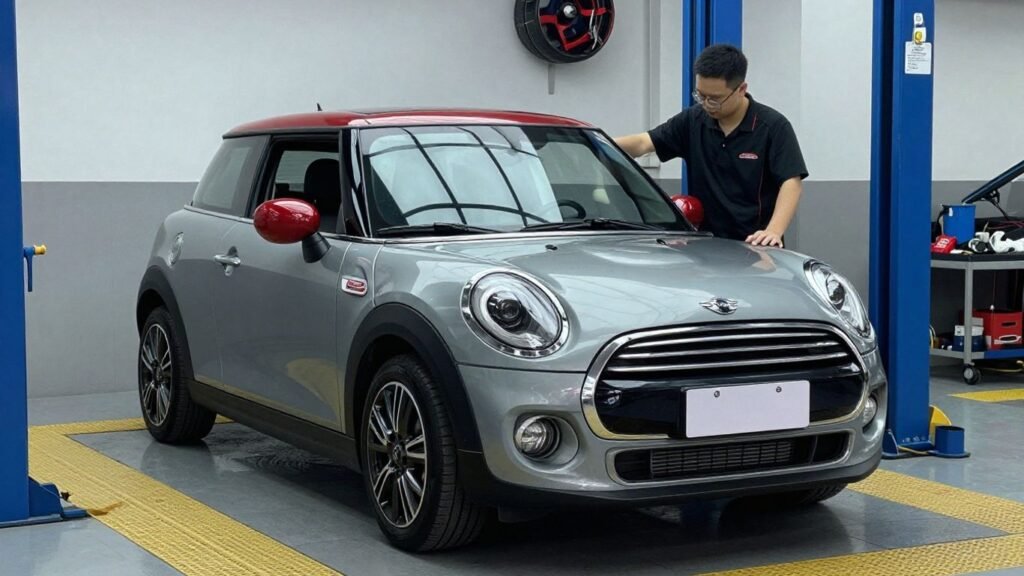
Locating a reputable yard requires understanding both the business history and the specific mechanical heritage of your car. Not every facility maintains the same quality standards or inventory breadth. Evaluating a business based on their specialization in European imports often yields better results than dealing with generic scrap retailers.
Checking compatibility across different generations (R50, R53, R56, F56)
Mini Cooper wreckers Adelaide South Australia – all models often organize their stock by chassis code to avoid confusion during the search process. Because engineering changes occurred rapidly between the R50 and the later F56 series, verifying the VIN-specific requirements remains a critical step in the process for any successful repair project.
How to verify the stock of specific Cooper trims
Not all trims share the same components, especially regarding interior accessories and performance-tuned engine parts. Requesting specific trim identifiers like the Sport or Chili pack ensures that the mirror caps, interior trim panels, or brake calipers are accurate for your vehicle configuration.
Importance of salvage yard experience with European vehicles
Facilities familiar with the nuances of European automotive design handle delicate wiring and proprietary fasteners with more care than those accustomed only to local heavy-duty sedans. You can observe the difference in how they store their current inventory, favoring covered or climate-controlled environments for sensitive items.
Inspecting used Mini Cooper parts before you buy
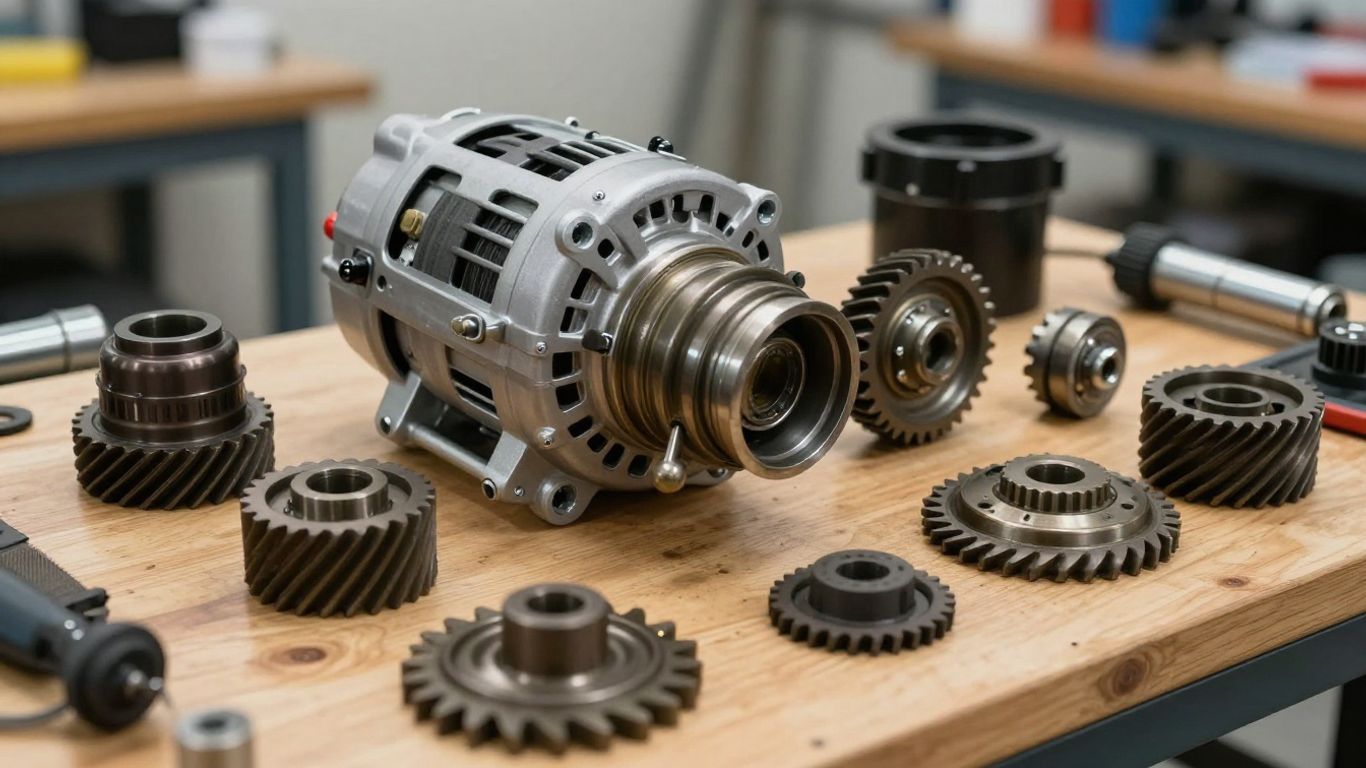
While professional salvage yards perform preliminary tests on their inventory, a final check by the buyer provides peace of mind. Taking the time to examine the component manually reveals signs of hidden wear or previous damage that might affect future reliability. This diligence helps you select the best possible replacement for your vehicle.
Visual inspection checklist for mechanical components
Look for obvious fractures in casting or signs of excessive oil saturation in plastic housing. A table of typical warning signs helps clarify what to look for when evaluating potential engine or suspension parts.
| Component | Primary Check | Red Flag Condition |
|---|---|---|
| Gearbox | Fluid coloration | Burnt smell or metal shavings |
| Alternator | Pulley resistance | Excessive noise or wobble |
| Brake Caliper | Piston movement | Stuck seals or seized rods |
Reviewing these indicators before payment ensures you do not waste time installing a part that requires immediate servicing or professional refurbishment.
Understanding part grading systems in salvage yards
Grading systems often delineate the quality of salvaged goods, ranging from premium parts with minimal wear to components pulled from high-mileage donor vehicles. Assigning a value based on these grades enables a transparent pricing structure that reflects the actual utility of each individual piece.
Questions to ask about the donor vehicle’s history
Inquiring about why the donor car reached the wrecking yard provides context regarding the part’s potential life expectancy. If the vehicle was a total loss due to a minor rear-end collision rather than a major mechanical failure, the core electrical and engine components often remain in excellent condition.
Navigating warranties and return policies for wreckers
Understanding the legal and internal policies of the salvage provider keeps your expectations aligned with reality. Most businesses offer clear terms that outline how they protect the consumer in the event of a component failure. Reviewing these documents during the purchase prevents later disputes if a part does not function correctly.
What to expect from standard 30-day or 90-day warranties
Standard industry protection usually covers the functional operation of the part for a set duration, often reflecting the specific nature of the component sold. Electronic sensors might carry different terms compared to heavy mechanical assemblies like transmission units.
Documenting the purchase for potential returns
Keeping your receipt and the associated vehicle identification numbers helps simplify the verification process if you need to facilitate a return. Retaining clear documentation of when the part was pulled and the professional invoice serves as the primary evidence required by the salvage yard.
Clarifying labor costs versus part replacement warranties
It is common sense to distinguish between the cost of the replacement part itself and the labor required to remove and install it. Most salvage providers cover the cost of the hardware, but their liability rarely extends to the mechanic fees incurred at a third-party shop.
The most successful repair experiences occur when the buyer approaches the salvage process as a collaborative effort rather than a one-off retail transaction. Clear communication about the intended use of the part often leads to better advice and more flexible terms from the salvage team.
This cooperative mindset ensures that you gather all necessary information about compatibility and condition before settling on a final quote for your repair project.
Logistics of collecting or shipping used Mini Cooper parts
Finalizing the movement of your chosen components requires careful planning to ensure they arrive in the same state they were purchased. Whether you choose to transport these items yourself or rely on regional freight, proper preparation prevents damage during transit. The size and fragility of the component dictate the specific packing requirements needed to keep it secure.
Local pickup versus regional delivery in South Australia
Picking up parts locally provides the best opportunity to conduct a final inspection before final loading. If distance prevents a store visit, regional delivery options often utilize reliable local courier services that understand the necessity of safe, palletized transport for automotive goods.
Handling fragile electronic modules during transport
Electronic modules require shielding from static discharge and moisture to remain functional. Ensuring these units are wrapped in appropriate anti-static materials prevents failure before you even attempt to plug them into your vehicle’s harness.
Considerations for freighting heavy components like gearboxes
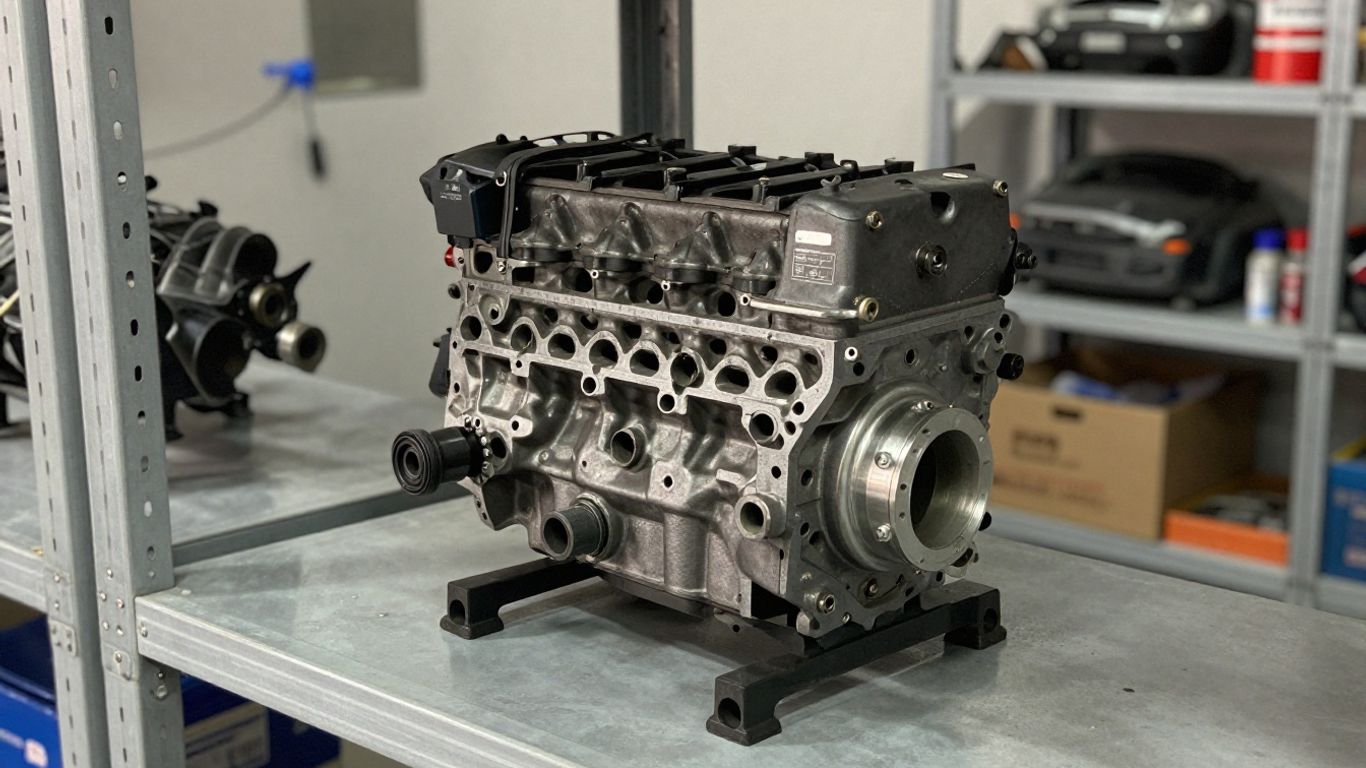
Transporting heavy transmissions or engine blocks requires the use of sturdy wooden crates or reinforced mounting platforms. Correctly securing heavy weight prevents shifting during movement, which could otherwise crack the aluminum casing or damage sensitive mounting bracket locations.
Conclusion
Securing affordable and reliable components for your vehicle involves balancing fiscal sensibility with careful verification of part quality and compatibility. By leveraging local salvage networks in Adelaide and remaining observant during inspection, you ensure that your vehicle repairs are performed with long-term stability in mind and professional oversight at every stage of the procurement cycle.