Key Takeaways
Finding reliable automotive components doesn’t have to be a struggle if you approach the process with a clear strategy and local insights. These essential points will help you secure functional parts while keeping your budget intact.
- Identify specific failure modes before committing to a swap.
- Leverage regional contacts to find better inventory options.
- Verify seller return policies to mitigate financial risk.
- Always perform a physical inspection of the internal housing.
- Choose experienced technicians to handle complex assembly tasks.
Assessing your transmission needs
Dealing with a failing transmission is often a stressful experience, particularly when navigating the specific maintenance requirements of a high-performance vehicle. Understanding the unique mechanical demands of your car is the first step toward correcting the issue without unnecessary overspending. By systematically evaluating your automotive needs, you set the foundation for a successful and lasting repair.
Identifying common transmission failure symptoms
Drivers often notice subtle changes in gear shifting quality long before a complete breakdown occurs. You might experience persistent slipping, delayed engagement, or grinding noises that seem to emanate from the drivetrain. Addressing these signs early is crucial to preventing catastrophic damage that could render the entire unit unusable.
Determining if a repair or replacement is cost-effective
Sometimes, a simple fluid flush or solenoid replacement can resolve the issue, but these quick fixes are not always the answer for older systems. When you look at the total service history, a full replacement often represents the most reliable path forward. Evaluating your long-term commitment to the vehicle is vital before investing in major mechanical shifts.
Understanding your Mini Cooper’s specific transmission model
Mini Cooper models utilize a narrow range of specific transmission builds that differ significantly by production year and engine configuration. Misidentifying your specific variant leads to compatibility errors that are expensive to resolve once the assembly is mounted. Always verify your donor part matches the factory specifications of your current driveline.
Where to source quality used parts in Mount Gambier
Locating reliable components in a regional setting requires a balance of local knowledge and digital verification. Once you have identified the exact unit needed, your search should focus on reputable businesses that have a track record of reliability within the local area. Connecting with the right people often makes the difference between finding a pristine unit and receiving one that needs immediate work.
Working with local wreckers and automotive salvage yards
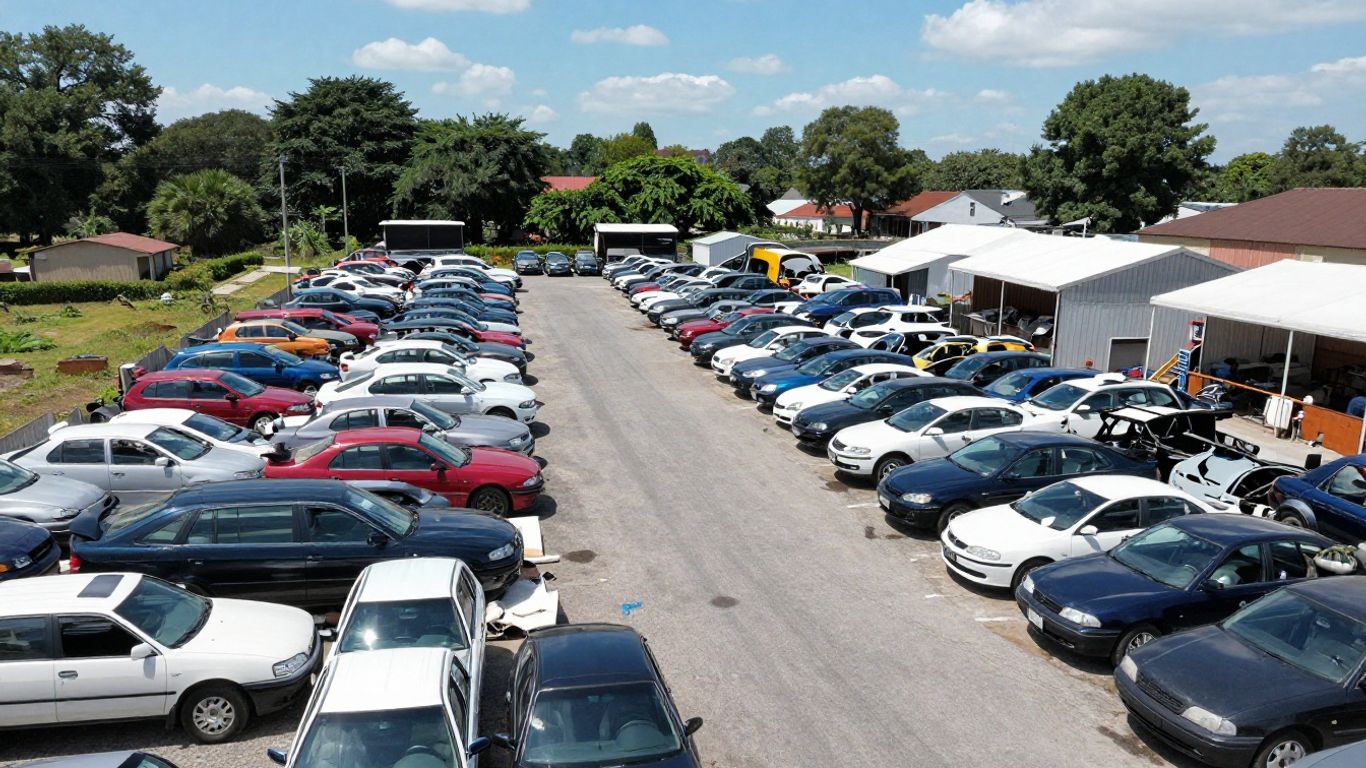
Mount Gambier hosts several experienced salvage yards that regularly handle modern European imports. Developing a relationship with the staff at these yards allows you to be alerted when a suitable donor vehicle arrives on-site. Visiting in person gives you an opportunity to view the inventory before it is cataloged and sold.
Utilizing regional South Australian automotive parts networks
When local stock is limited, broadening your search to regional South Australian hubs is an excellent strategy. These automotive networks connect various wreckers across the state, ensuring that even hard-to-find components are listed in a centralized database. Utilizing these shared systems significantly increases your chances of locating a functional Mini Cooper transmission.
Evaluating seller credibility and buyer protection policies
Never finalize a purchase without knowing what recourse you have if the transmission fails shortly after testing. Trusted suppliers typically offer clear written guarantees regarding the functionality of their parts. Always prioritize sellers who provide documented evidence of the part’s history over those who offer suspiciously low prices without any protection.
Navigating competitive pricing for used units
Securing Used Mini Cooper transmissions Mount Gambier – competitive prices requires a disciplined approach to market research and negotiation. Prices fluctuate based on the scarcity of the specific model and the current demand within the regional automotive community. By staying informed about average costs, you gain leverage during discussions with suppliers.
Comparing market rates for Mini Cooper components
Researching historical pricing helps you recognize a fair deal when you see one. The following table provides a general baseline for expected costs based on current regional conditions for standard units currently on the market.
| Component Condition | Estimated Price Range | Source Reliability |
|---|---|---|
| Standard Used | $800 – $1,200 | Moderate |
| Refurbished | $1,500 – $2,200 | High |
| Tested Low-Mileage | $2,000 – $3,000 | Very High |
Using this pricing model allows you to filter out sellers who are operating outside standard market expectations. Always ensure your budget allows for the higher-end, tested units to avoid recurring issues.
Negotiating prices with regional parts suppliers
Building a rapport with parts suppliers often leads to more favorable pricing terms. Instead of asking for a discount outright, demonstrate your knowledge of the part’s condition and express a genuine interest in a long-standing business relationship. Polite persistence is often rewarded with a slightly better rate or inclusive delivery terms.
Factoring in hidden costs like shipping or long-distance courier fees
Even if you find a bargain price, the cost of moving a heavy transmission across the region can consume your savings. Ask for an all-inclusive quote that accounts for packaging, heavy-lifting logistics, and insurance during transit. Relying on specialized courier services ensures that your unit arrives without physical transit damage.
Avoiding high-risk parts that lead to long-term costs
Purchasing a transmission purely based on the lowest price tag is a common trap that leads to further failures. Units sold "as-is" without any verification of mileage or fluid condition are statistically more likely to require expensive repairs. Investing more upfront for a verified unit prevents the cycle of re-purchasing components.
Inspecting a used transmission before installation
Physical verification remains the most critical step before committing to a costly installation. Before any technician touches a wrench, you must personally inspect the unit to ensure it aligns with the standards you require. This step effectively prevents the installation of a non-functional part into your vehicle.
Conducting a visual check for physical damage or housing cracks
Check every inch of the transmission housing for signs of impact or structural fatigue. Even small hairline fractures can leak fluid or cause misalignment once the internal gears begin spinning under load. Ensure all mounting points are intact and that the external sensors have not been snapped off.
Requesting mileage history and documented maintenance records
Modern automotive salvage systems rely on VIN verification to confirm exact history. Ask for a report matching the donor vehicle to its service timeline to see if the unit was replaced before the accident. A well-maintained unit should show evidence of regular fluid changes, which bodes well for internal health.
Checking internal components for fluid contamination or metal shavings
If the drain plug is accessible, pull it and examine the magnet for evidence of severe wear. Fine metal dust is common, but large chunks of metal are a definitive sign of internal disintegration. Contaminated fluid is also a major red flag that indicates the unit is likely at the end of its operational life.
Confirming compatibility with your specific chassis code
Cross-reference the serial numbers on the transmission unit with your vehicle’s build sheet to confirm an exact match. Electronic control systems are highly sensitive to even minor gear ratio changes or differences in wiring harness plugs. Confirming these codes prevents the dreaded situation of a gearbox that does not communicate with the engine computer.
Professional installation and post-purchase care
Once you have secured and inspected the transmission, the final phase involves integrating the part into your vehicle system. Using professional services is essential to ensure that everything is calibrated correctly and that potential issues are caught early. Proper handling during this stage determines the longevity of your investment.
Selecting a mechanic specialized in Mini Cooper service
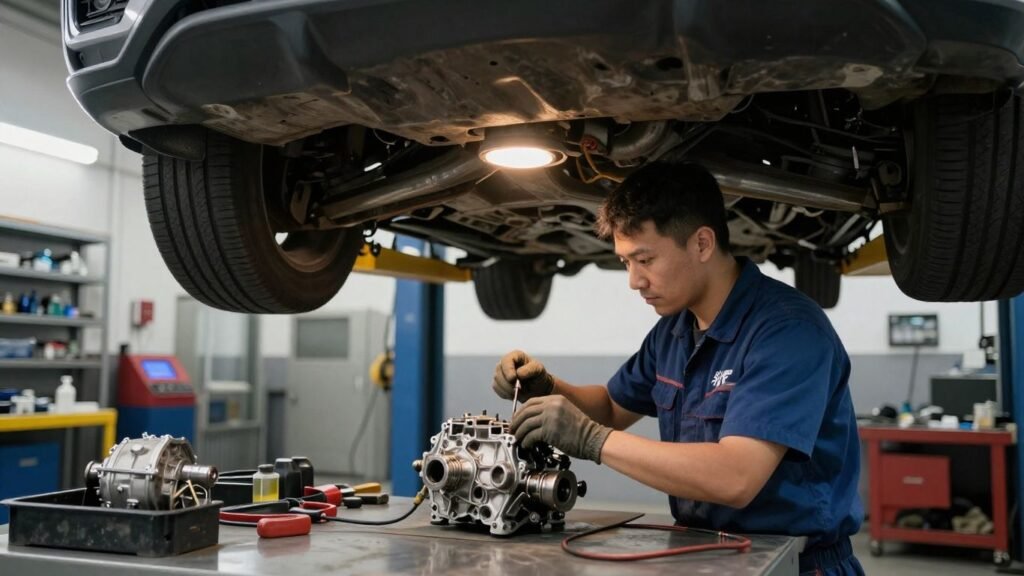
Not every general garage is equipped to handle the intricacies of modern German-engineered drivetrains. A specialist will have the correct diagnostic software and experience with the unique mounting requirements of the platform. This expertise ensures that your replacement transmission is handled with the appropriate level of care.
Understanding labor estimates for complex transmission swaps
Be prepared for a service project that is labor-intensive and requires dedicated hours of skilled work. The process involves removing subframes, disconnecting delicate electrical sensors, and precisely aligning the new unit. Getting a detailed estimate for labor helps you manage your budget and avoids surprises when the invoice arrives.
Establishing a testing protocol immediately after installation
Implementation of a rigorous test drive protocol is essential to verify shifting behavior and fluidity in varying conditions immediately following assembly. Observing how the transmission responds under light load and during heavy acceleration ensures any initial defects are identified while the work is still under a service warranty.
Following a set testing protocol gives you the peace of mind that the installation was successful. Your mechanic will monitor live data streams from the gearbox to ensure all values remain within expected manufacturer ranges as the car moves through all gears.
Managing warranty expectations on second-hand automotive components
Understand that warranties on second-hand parts are inherently different from new factory components. Most reputable sellers provide a short-term operational guarantee that covers the unit itself but may not cover secondary labor costs if a defect is found. Retain all invoices and documented proof of installation to ensure your rights under the seller’s policy are protected.
Conclusion
Finding, inspecting, and installing a used transmission requires patience and a high level of attention to detail to ensure your car returns to the road safely. By focusing on quality sourcing in Mount Gambier, verifying your specific model requirements, and relying on professional installation, you can restore your vehicle to peak performance. Staying disciplined throughout the search ensures that your repair remains both functional and economically sensible for the life of your vehicle.