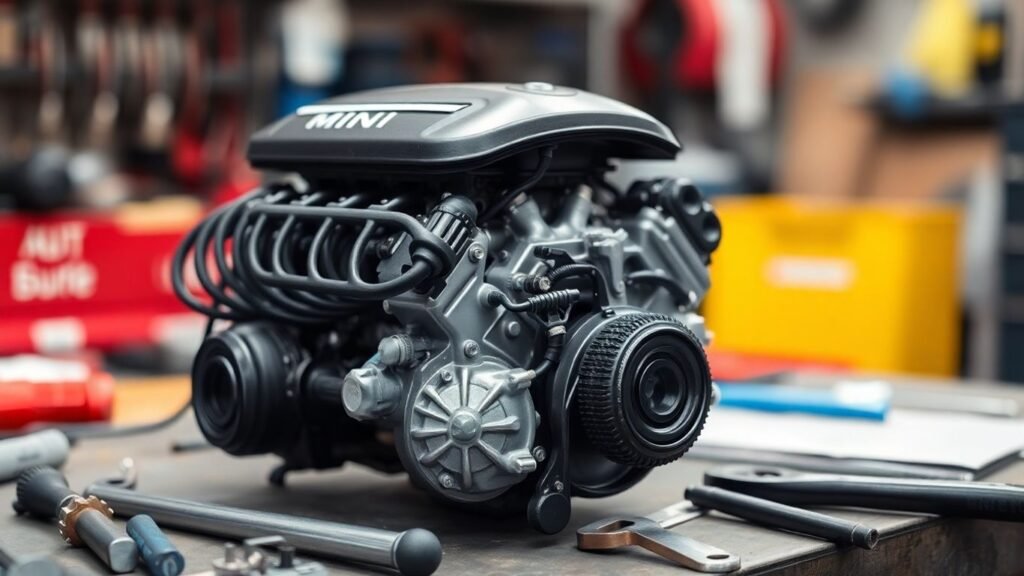
So, you’re on the hunt for used Mini engines in Australia? It can feel a bit like a scavenger hunt, trying to find a good one that won’t break the bank or leave you stranded. Finding the right engine for your Mini doesn’t have to be a massive headache, though. This guide is here to help you sort through the options, figure out what’s good, and make sure you get a solid Mini used engine Australia wide without too much fuss.
Key Takeaways
- Always check a seller’s reputation before buying used Mini engines Australia.
- Confirm the engine’s part number matches your Mini exactly.
- Ask about return policies and warranties for peace of mind.
- Consider shipping costs if buying from another city in Australia.
- Sometimes, a good quality used engine is the best option for older Minis.
Locating Reputable Mini Used Engines Australia
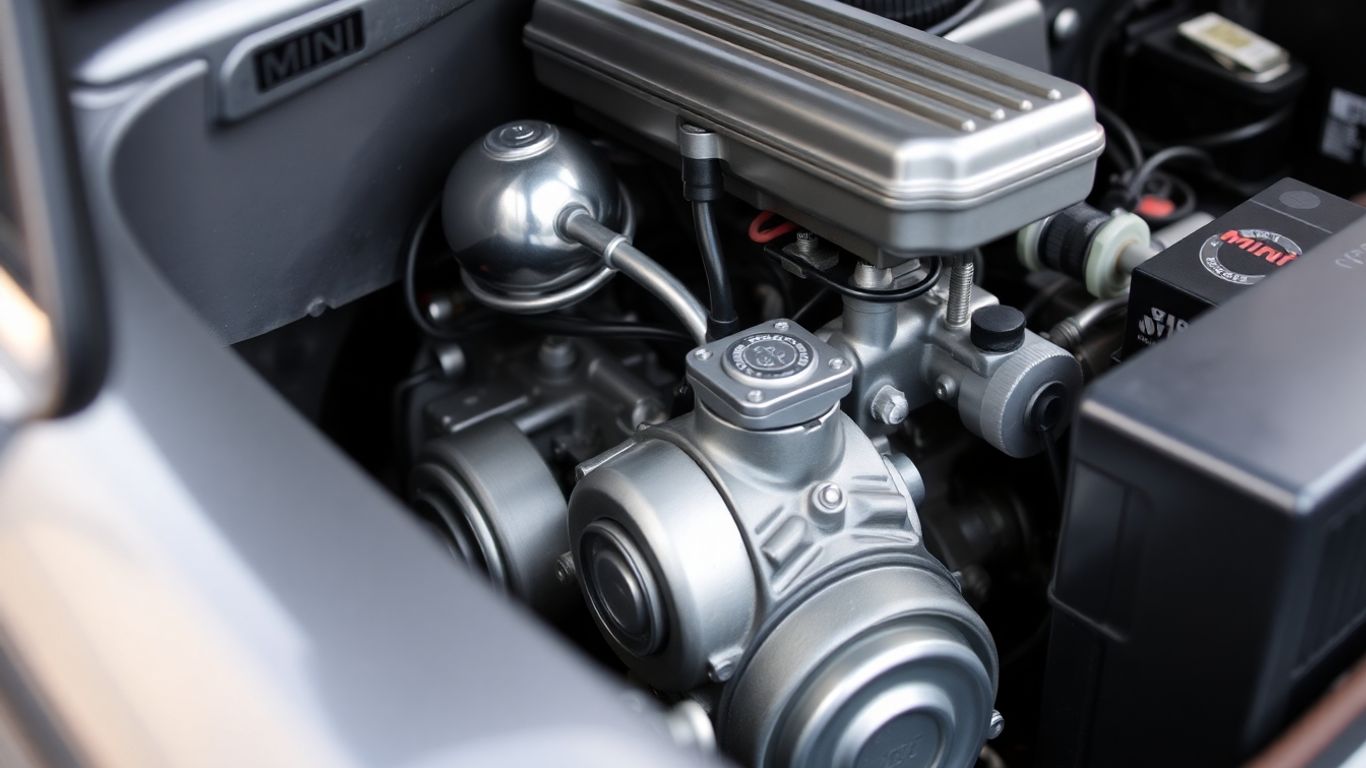
Finding a good used engine for your Mini in Australia can feel like a bit of a puzzle, but it’s definitely not impossible. You’ve got a few main avenues to explore, and knowing where to look can save you a lot of time and hassle. It’s all about being smart about your search.
Exploring Online Marketplaces and Directories
These days, a lot of the hunt can happen right from your computer. Websites like eBay and Gumtree are usually the first places people check. You’ll find listings from all over the country, which is pretty handy. Just remember to look closely at seller reviews and read the part descriptions carefully. Sometimes, dedicated auto parts directories can also point you in the right direction. If a deal seems way too good to be true, it probably is, so keep that in mind.
Discovering Specialized Mini Wreckers
If you’re serious about your Mini, finding wreckers who focus just on Minis is a really good idea. These folks know these cars inside and out. They’re more likely to have those specific parts that general mechanics might not even know about. Plus, they can often give you solid advice. It’s like having a Mini expert on call. I remember needing a specific bit for my old Mini, and the general auto parts store just shrugged. But the Mini specialist had it in a dusty box in the back. Made all the difference.
Leveraging Local Retailers for Mini Parts
Don’t forget about your local shops. Sometimes, smaller, independent mechanics or auto parts stores that specialize in European cars might have what you need, or they might know someone who does. Building a relationship with a local shop can be beneficial. They might start to know your car and what you typically look for. It’s worth the effort to find a place that treats you well and knows their stuff.
When looking for parts, especially engines, it’s always a good idea to get the specific part number and compare it to what you need. This helps avoid costly mistakes. Also, don’t hesitate to ask questions about the engine’s history or why it was removed from the donor vehicle.
Assessing the Condition of Used Mini Engines
Understanding the Value of Used Parts
So, you’re looking for a used engine for your Mini. That’s a smart move, honestly. New engines can cost an arm and a leg, and let’s face it, sometimes a perfectly good used one is all you need. It’s not just about saving cash, though that’s a big part of it. You’re also giving a component a second life, which is way better for the environment than making a brand new one from scratch. Plus, for older Minis, some parts just aren’t made anymore, so used is often your only option. It’s like finding a rare gem that keeps your car on the road.
The Importance of Genuine Mini Cooper Used Parts
When you’re hunting for a used engine, try your best to find genuine Mini parts. These are the ones designed specifically for your car. They’ll fit right and work the way they’re supposed to. Aftermarket stuff can be a gamble, and you don’t want to put a part in that causes more problems. Sticking with genuine parts, even if they’re used, helps keep your Mini running like a Mini should. It matters for how the car performs and can even help down the line if you decide to sell it.
Key Components to Look For
When you’re inspecting a used Mini engine, there are a few things you really need to check. Look for any signs of major leaks or damage on the block itself. You’ll want to see if there’s any obvious rust, especially around the coolant passages or exhaust manifold. Ask about the mileage the engine came from – lower is generally better. If you can, check the oil. Is it clean, or does it look like sludge? That tells you a lot about how well it was maintained. Also, pay attention to the condition of the spark plug holes and the valve cover gasket. Any cracks or significant wear here could mean trouble down the road. It’s also a good idea to ask if the engine was tested before it was pulled from the donor car. Getting a bit of history can save you a lot of headaches later on.
When you’re looking at a used engine, think about its past. How many miles did it run? Was it looked after? These questions can give you a good idea of its future performance. Don’t just look at the shiny bits; dig a little deeper into its history.
| Component | What to Check |
|——————|—————————————————| |
| Engine Block | Cracks, rust, signs of overheating |
| Cylinder Head | Warping, damage to valves, gasket condition |
| Oil Pan | Dents, leaks, sludge inside |
| Pistons/Rings | Ask about compression, listen for unusual noises |
| Gaskets/Seals | Cracks, signs of leaks (oil or coolant) |
Navigating Geographic Availability of Mini Engines
Finding the right Mini engine across Australia can sometimes feel like a bit of a quest, depending on where you live. It’s not always as simple as popping down the road, especially if you’re not in one of the major hubs.
Finding Engines in Major Australian Cities
If you’re lucky enough to live in a big city like Sydney, Melbourne, or Brisbane, you’ve generally got a better shot at finding what you need. These places tend to have more car activity, which means more wrecking yards and mechanics who deal with Minis. This usually leads to a wider selection of parts and sometimes even better prices because there’s more competition. It’s often easier to locate specific components without a long wait.
Navigating Availability in Smaller Towns
For those of us in smaller towns or more rural areas, it can be a bit trickier. Your local options might be limited, meaning you’ll likely rely more on online sellers or be prepared to travel a bit further to snag that specific bit for your Mini. It’s not impossible, but it does require a bit more patience and planning.
Understanding Shipping Logistics and Costs
When you find an engine outside your immediate area, figuring out how to get it to you is the next step. Shipping costs can really add up, especially for something as heavy and bulky as an engine. It’s wise to get a few quotes from different shipping companies or ask the seller if they have preferred carriers. Sometimes, local pickup is the most cost-effective option if you can manage it. Always factor these costs into your total budget before you commit to buying.
It’s always a good idea to call ahead to check if a particular shop has the specific Mini part you need in stock or if they can order it for you. Sometimes, a smaller, specialized shop might be more knowledgeable about sourcing parts for a particular brand than a general auto parts store.
Expert Guidance for Mini Engine Purchases
Seeking Advice from Mini Enthusiasts
When you’re hunting for a used Mini engine, talking to folks who are really into Minis can save you a heap of trouble. These car buffs often know the ins and outs of what makes a good engine and where to find them. You can often find these enthusiasts hanging out at local car meets, on online forums dedicated to Minis, or even chatting with the staff at specialist Mini wreckers. Don’t be shy about asking questions; most Mini fans love to share their knowledge. They can point you towards reliable places to buy or give you tips on spotting a solid engine versus one that’s seen better days.
Resources for Mini Maintenance and Insights
Beyond just chatting with people, there are tons of resources out there that can help. Many websites and blogs focus on Mini maintenance and repairs. These places can be a goldmine of information, offering guides on common problems, how-to repair tips, and reviews of different parts. You can learn a lot about what to look for when buying used, like checking for wear on specific engine parts. Sometimes, these resources even have articles about the history of certain engine types or common upgrades, which can be helpful when you’re trying to figure out exactly what you need for your specific Mini model.
Knowing your Mini’s exact model year, trim level, and engine type is super important. Parts aren’t always interchangeable between different generations, and using the wrong one can cause more problems.
Understanding Part Warranties and Guarantees
When you buy a used engine, especially from a specialist, it’s really important to know what kind of warranty or guarantee, if any, comes with it. Some wreckers might offer a short period, maybe 30 days, to test the engine, while others might sell parts ‘as is’. It’s always a good idea to clarify this before you pay. A little bit of protection can make a big difference if something isn’t quite right after installation.
| Part Type | New Price Range (AUD) | Used/Reconditioned Price Range (AUD) |
|---|---|---|
| Complete Engine | $2,000 – $8,000+ | $800 – $3,500+ |
| Engine Block | $800 – $3,000+ | $300 – $1,200+ |
| Cylinder Head | $500 – $2,000+ | $200 – $800+ |
Making Secure Purchases for Mini Engines
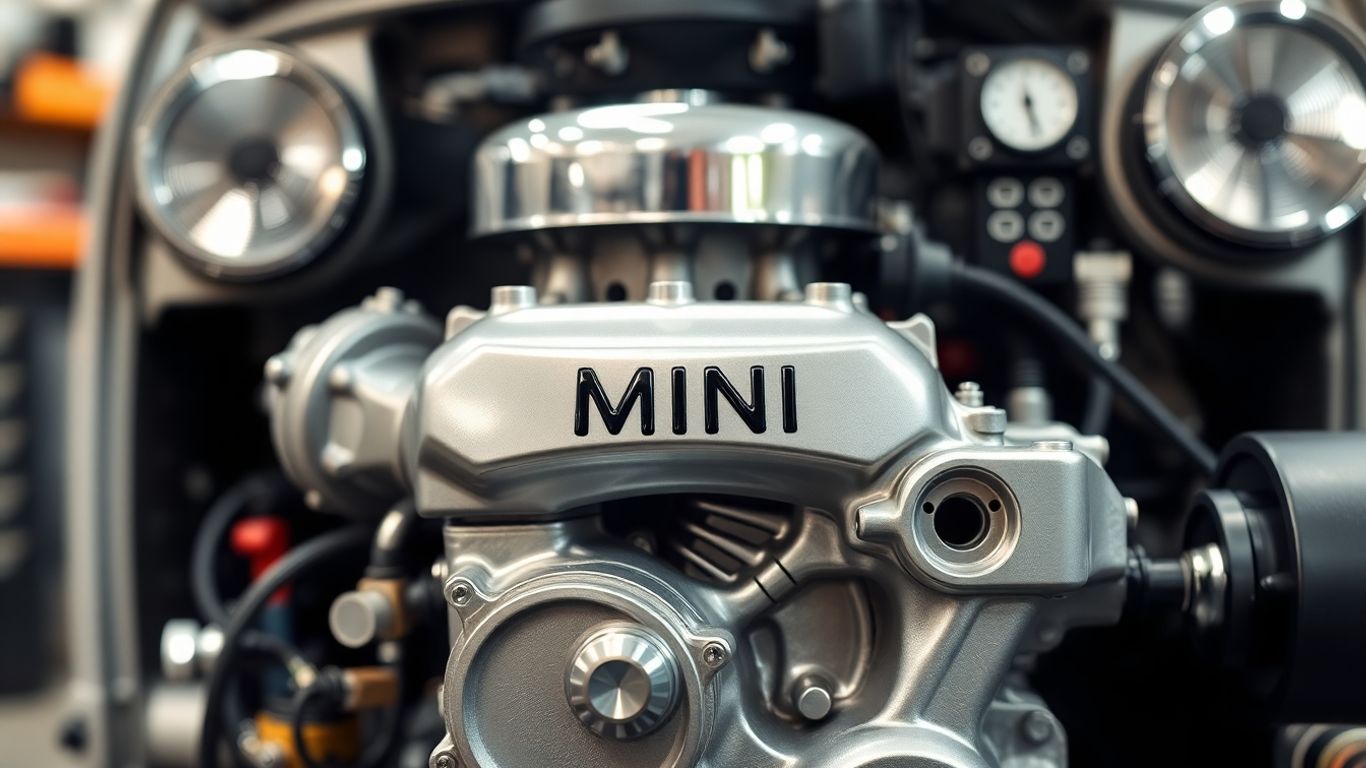
Alright, so you’ve found a used Mini engine that looks promising. Now comes the part where you actually buy it, and you want to make sure you’re not getting ripped off or ending up with a dud. It’s all about being smart and careful.
Identifying Reputable Mini Dealers
First things first, who are you buying from? It’s way better to deal with someone who actually knows Minis. Think about shops that specialize in European cars or, even better, specifically Mini parts. These guys are usually more clued in about the quality of what they’re selling. You can often find these places by asking around in Mini owner clubs or checking online reviews. Sometimes, the smaller, independent shops have the best parts and the most helpful staff, even if they don’t look like much from the outside.
Checking Part Availability and Ordering
Before you get too excited, do a quick check to see if they actually have the engine you want. There’s nothing worse than wasting time and effort only to find out it’s already sold or they don’t have it. A quick phone call or a look at their website can save you a lot of hassle. If they don’t have it right then, ask if they can order it for you and how long that might take. Some places are pretty good at tracking down specific items.
Understanding Warranty and Return Policies
This is a big one, seriously. What happens if the engine you buy turns out to have a hidden problem or fails soon after you install it? A good seller will have some kind of warranty or a clear return policy. Make sure you know the details before you pay. This protects you from buying something that’s no good. A simple exchange or a refund can save you a lot of headaches and money if things go wrong.
Buying a used engine is a big step. Always take the time to verify the seller’s reputation and understand the terms of the sale. Don’t be afraid to ask questions about the engine’s history and condition. It’s better to be a little cautious now than to face costly problems later.
Convenience of Online Shopping for Mini Engines
User-Friendly Platforms for Part Discovery
Forget the days of digging through dusty shelves hoping to stumble upon the right Mini engine part. The internet has seriously streamlined this whole process. Many online sellers and specialized Mini wreckers have put a lot of effort into making their websites super easy to use. You can usually find a search bar where you just type in your Mini’s model and year, and poof – it shows you parts that should fit. Some sites even have detailed pictures and descriptions, so you know exactly what you’re getting. It’s a far cry from the old days, and honestly, it makes finding what you need so much less of a headache.
Secure Ordering and Delivery Options
Once you’ve found that perfect used Mini engine or component online, the next step is making sure the purchase is safe and sound. Most reputable online places offer secure payment gateways, meaning your financial details are kept private. They’ll also usually lay out their shipping options pretty clearly. You can often pick between standard delivery, which takes a bit longer but costs less, or express shipping if you need that engine ASAP. Many suppliers across Australia will ship parts nationwide, so even if you’re not near a major city, you can still get your Mini sorted. Just be sure to check the estimated delivery times and any associated costs before you click ‘buy’ to avoid any surprises down the line.
When you’re hunting for a used Mini engine online, remember that a little bit of research goes a long way. Checking seller reviews and looking for clear return policies can save you a lot of trouble later on. It’s about finding a good balance between price and peace of mind.
Wrapping Up Your Mini Engine Hunt
So, you’ve made it through the guide on finding a used Mini engine in Australia. It might seem like a big task, but with the right approach, it’s totally manageable. Remember to always do your homework on sellers, double-check those engine codes to make sure they match your Mini, and don’t be afraid to ask about warranties or return policies. Whether you’re looking online or at a local wrecker, taking your time and being thorough will help you find a solid engine that won’t let you down. Happy motoring!