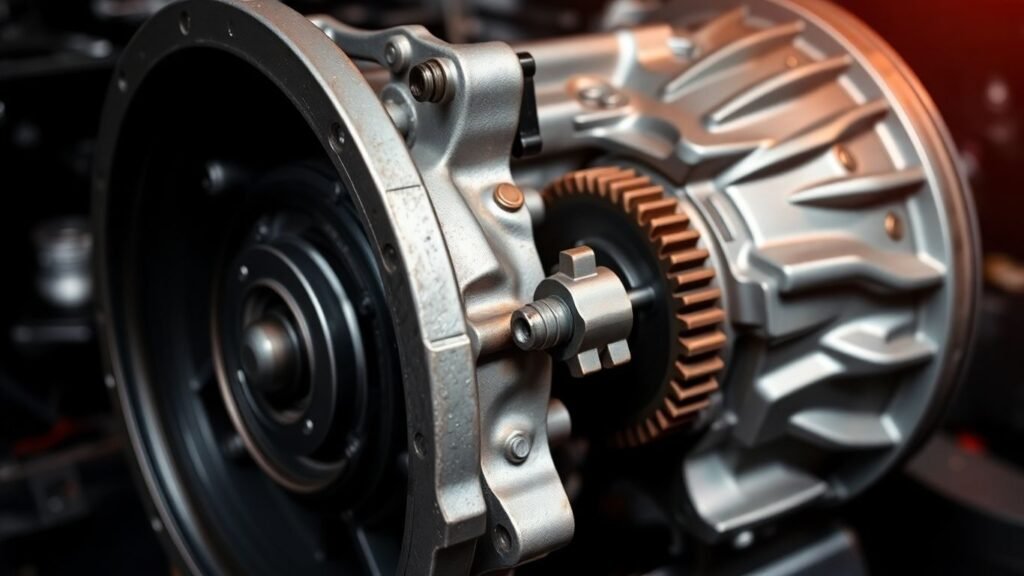
So, you’re thinking about getting a used Mini Cooper and wondering about the transmission. It can be a bit of a puzzle, right? There are different types, revisions, and things to watch out for. This guide is just to help you figure out what you’re looking at when you’re checking out a Mini second hand transmission, so you don’t end up with a headache later on.
Key Takeaways
- When looking for a Mini second hand transmission, know that both manual and automatic options exist, with the automatic often having a manual shifting mode.
- Transmission revisions happened, especially around the 2011 model year update, so check the specific year you’re interested in.
- Manual transmissions can have clutch wear issues, so test it thoroughly for slipping or odd behavior, no matter the mileage.
- Keep an eye out for common engine issues like the timing chain ‘death rattle’ and cooling system leaks, as these can affect transmission health too.
- Using an OBD2 scanner during your inspection is a good idea to catch any hidden electrical or engine codes that might point to transmission problems.
Understanding Mini Second Hand Transmission Options
When you’re on the hunt for a used Mini, figuring out the transmission situation is a big part of the puzzle. Most Minis you’ll find come with either a manual or an automatic gearbox. For those who like to be in full control, the manual transmission, often a Getrag 6-speed, is a popular choice. If that’s not your thing, Mini also offered a 6-speed Aisin automatic that usually includes a manual shifting mode, which can be pretty handy. It’s worth noting that Mini did tweak these transmissions a bit around the 2011 model year, so keep that in mind. Another option, though less common on the used market, is a limited-slip differential (LSD). This can really help with traction, especially if you’re pushing the car a bit. You’ll need to check the car’s option codes to see if it has this feature.
Manual vs. Automatic Transmissions
Choosing between a manual and an automatic transmission for a used Mini really comes down to personal preference and how you plan to drive the car. Manuals offer that direct connection to the engine and can be more engaging, especially on twisty roads. Automatics, on the other hand, provide a more relaxed driving experience, which can be nice for daily commuting or in heavy traffic. Both types have their pros and cons, and the specific version you find might depend on the model year and trim level.
Identifying Transmission Revisions
Mini, like most manufacturers, made updates to their transmissions over the years. For the second-generation Minis (roughly 2007-2013), there were some revisions, particularly around the 2011 model year. These updates could involve internal changes aimed at improving reliability or performance. While it might not be obvious just by looking, knowing if a transmission is from an earlier or later production run within a generation can sometimes give you clues about potential improvements or known issues.
The Role of Limited Slip Differentials
A limited-slip differential, or LSD, is a component that helps distribute power more evenly between the drive wheels. This is particularly beneficial when accelerating out of corners or on slippery surfaces. While Mini offered LSDs as an option, they weren’t super common, especially on non-S models. Finding a used Mini with an LSD can be a bit of a treasure hunt, but if you’re looking for improved handling and traction, it’s definitely a feature worth seeking out. You’ll often need to check the car’s specific option codes to confirm its presence.
When looking at used Mini transmissions, remember that even seemingly minor updates can make a difference. It’s always a good idea to research the specific model year and transmission type you’re interested in to understand any known revisions or common characteristics.
Key Considerations When Buying a Used Mini Transmission
So, you’re in the market for a used Mini transmission. That’s cool. But before you hand over your cash, there are a few things you really need to think about. It’s not just about grabbing the first one you see; you gotta be smart about it. Picking the right year and knowing what to look for can save you a ton of headaches down the road.
Recommended Model Years for Reliability
When you’re hunting for a used Mini transmission, the model year can make a big difference. Some years just seem to have fewer issues than others. For the second-generation Minis (R56 and its siblings), the later years, especially after the 2011 facelift, tend to be a bit more solid. The earlier Prince engines, found in models from around 2007 to 2010, had a few more quirks that were ironed out over time. If you can swing it, aiming for a 2011 or newer transmission might give you a smoother ownership experience. For the first-generation cars (R50, R52, R53), the 2005-2006 models are often cited as having slightly shorter gearing, which can be a plus for performance, but also watch out for the general wear and tear on these older vehicles.
Engine Reliability and Transmission Compatibility
It’s not just the transmission itself you need to worry about; the engine it’s attached to plays a huge role. A transmission might be in great shape, but if it’s bolted to an engine with serious problems, you’re still in for a rough ride. For example, the N14 engine, common in the R56 Cooper S, had issues like the "death rattle" timing chain problem. If an engine is burning oil excessively or has known cooling system leaks, that can put extra stress on the transmission over time. Always try to get a look at the engine’s service history. You’ll want to make sure the transmission you’re eyeing is compatible with the specific engine code of the Mini you’re planning to put it in. Sometimes, even within the same generation, there were different transmission options or revisions tied to specific engines.
Assessing Clutch Wear on Manual Transmissions
If you’re going for a manual transmission, the clutch is your biggest concern. These Minis, especially the earlier ones, were known for having clutches that wore out faster than you’d expect, even with normal driving. Don’t just take the seller’s word for it; you need to test it yourself. When you test drive, pay close attention. Does the clutch pedal feel spongy or grab too high up? Does the engine rev up without the car accelerating much when you’re in gear, especially on hills? That’s a sign of slipping. Even if the mileage isn’t super high, a worn clutch can mean a big repair bill is coming your way soon. It’s worth checking if there’s any paperwork showing a recent clutch replacement, but even then, give it a good test.
When looking at a used Mini transmission, especially for manual setups, pay close attention to the clutch. Signs of slipping, a high engagement point, or a generally vague feel can indicate it’s nearing the end of its life. This is a common wear item, and its condition can significantly impact your immediate costs after purchase.
| Transmission Type | Common Issues to Check For |
|---|---|
| Manual (Getrag 6-Speed) | Clutch wear, difficult shifting, potential synchro issues |
| Automatic (Aisin 6-Speed) | Hesitation, rough shifting, potential fluid leaks |
| Limited Slip Differential (Optional) | Whining noises, clunking during turns (if applicable) |
Common Issues and Inspections for Mini Transmissions
Addressing Timing Chain "Death Rattle"
This is a big one, especially for the N14 engine. You might hear a rattling sound, particularly when the engine is cold. It’s often caused by a worn timing chain tensioner guide. If you hear it, it means the timing chain needs replacing, and that’s not a cheap fix. Some sources suggest this service should be done around every 70,000 miles. If you’re looking at a car that’s had this done, make sure you have the paperwork to prove it.
Inspecting Cooling System Integrity
Mini engines, like many BMW-derived ones, use a lot of plastic in their cooling systems. The thermostat housing and coolant ports are prime examples. Over time, this plastic can get brittle and crack, leading to coolant leaks. These leaks can cause the engine to overheat, which is never good. So, when you’re checking out a used Mini, look carefully for any signs of coolant leaks or damaged plastic parts in the cooling system.
Potential Oil Consumption and Leaks
Some Mini engines are known to use oil. It’s not uncommon to need to top it off now and then. If the oil level gets too low, it can cause serious problems, especially for the turbocharger. As these cars get older, the oil seals and gaskets can start to wear out, leading to leaks. You’ll want to get underneath the car and check for any significant oil drips or wet spots on the engine block. It’s also worth noting that the VANOS system, which controls valve timing, relies on oil pressure. Low or old oil can clog up VANOS components, leading to expensive repairs.
When inspecting a used Mini transmission, pay close attention to any unusual noises during operation, especially during gear changes or when the clutch is engaged/disengaged. A grinding sound or excessive vibration could indicate internal wear or damage that might not be immediately obvious.
Always bring an OBD2 scanner with you when inspecting a used Mini; it can reveal hidden issues that aren’t apparent from just looking or listening.
Navigating Mini Cooper Chassis Codes and Transmissions
Understanding the R56 Hatchback Transmission
The R56 chassis, which covers the Mini Cooper hatchback from 2006 to 2013, came with a few transmission choices. Most of these cars were equipped with either a Getrag 6-speed manual or an Aisin 6-speed automatic. The automatic had a mode for manual shifting, which was a nice touch. It’s worth noting that Mini offered an optional limited-slip differential (LSD) on some R56 models, but finding one with this feature can be a bit of a treasure hunt. If you’re serious about finding an LSD, you’ll need to check the car’s option codes.
Exploring R55 Transmission Variants
The R55, known as the Clubman, shares many of its mechanical components with the R56 hatchback. This means you’ll generally find the same Getrag manual and Aisin automatic transmissions available. The R55 was produced from 2007 to 2014. Like the R56, the LSD was an option, though not commonly found on used examples. When looking at an R55, pay attention to the specific model year, as there were some updates to the drivetrain around 2011.
Identifying First-Generation Transmission Differences
Before the R56 and R55, there was the first generation of modern Minis, primarily the R50 (Cooper) and R53 (Cooper S) models, produced from 2002 to 2006. These cars often had different transmissions. The R50 typically came with a 5-speed manual or a CVT automatic, while the R53 Cooper S used a 6-speed Getrag manual or a 6-speed automatic. The supercharged engine in the R53 put different demands on its transmission compared to the naturally aspirated engines of the R50. It’s really important to know which chassis code you’re looking at, as the transmissions are not interchangeable between generations.
When you’re checking out a used Mini, especially one with a manual transmission, give the clutch a good workout. Listen for any strange noises, feel for any slipping, and make sure it engages smoothly. Some Minis are known to have clutches that wear out faster than you’d expect, even with lower mileage. It’s one of those things that can sneak up on you and lead to a costly repair if you don’t catch it early.
Performance Enhancements and Transmission Upgrades
Evaluating Cooper S Transmission Performance
So, you’re eyeing a Cooper S and thinking about how to get more out of it? It’s a common thought. While the stock transmission in a Cooper S is pretty solid, especially the Getrag 6-speed manual, some folks want more. If you’re looking at an automatic, the Aisin 6-speed with its manual mode can be fun, but it’s not quite the same as a true manual for some drivers. The Cooper S models generally came with beefier transmissions than the base Coopers, better suited to handle a bit more power. If you’re serious about performance, you might want to look at models from 2005-2006, as they had slightly shorter gearing, which can make a difference in acceleration. Just a heads-up, though: swapping an older transmission into a newer car might mess with your cruise control. It’s a trade-off, for sure.
Aftermarket Parts and Smog Legalities
When you start looking at aftermarket parts, things can get a little tricky, especially if you live somewhere with strict emissions testing, like California. Many aftermarket performance parts, while great for power, might not pass smog checks. Your best bet for staying legal and keeping things running smoothly is often to stick with John Cooper Works (JCW) parts. They’re designed by Mini, so they’re built to work with the car and are usually smog-legal. It’s a bit of a compromise, but it saves a lot of headaches down the road. You can find things like upgraded turbochargers, ECU tunes, and exhaust systems, but always double-check their legality in your area.
Impact of Gearing on Performance
Gearing plays a pretty big role in how your Mini feels when you drive it. Shorter gears mean quicker acceleration from a stop or when you’re pulling away from a light. It makes the car feel zippier, which is great for city driving or spirited runs on twisty roads. Longer gears, on the other hand, are better for highway cruising. They let the engine run at lower RPMs, saving fuel and reducing noise. For the Cooper S, some people opt for a 15-percent pulley upgrade, which can give a nice boost. However, going too aggressive with pulleys (like 17 or 19 percent) can create too much heat, which isn’t good for the engine or the transmission in the long run. It’s all about finding that sweet spot between power and reliability.
If you’re thinking about adding a limited-slip differential (LSD) to a Mini that didn’t come with one from the factory, it’s definitely an option. An aftermarket LSD can really help put the power down, especially when you’re accelerating out of corners. It helps prevent one wheel from spinning while the other does all the work. Just make sure it’s compatible with your transmission and that it’s installed correctly by someone who knows what they’re doing.
| Transmission Type | Gearing Impact | Common Use Case |
|---|---|---|
| Shorter Gears | Quicker acceleration | City driving, spirited roads |
| Longer Gears | Better highway cruising | Long-distance travel, fuel economy |
| LSD Equipped | Improved traction | Hard acceleration, cornering |
Pre-Purchase Checks for Your Mini Second Hand Transmission
So, you’ve found a Mini transmission that looks promising, but before you hand over your cash, there are a few things you really need to check. It’s not just about mileage; these cars can have specific quirks. Taking a little extra time now can save you a massive headache later.
Essential OBD2 Scanning Procedures
First off, grab an OBD2 scanner. Seriously, don’t skip this. Plug it into the car’s port and see what the computer is saying. Even if the dashboard lights aren’t on, there could be stored codes pointing to past issues or current problems that are just waiting to show up. This is your best bet for catching electrical gremlins or engine-related issues that might affect the transmission’s performance. A BMW-specific scanner can sometimes give you even more detailed information, so if you can get your hands on one, even better.
Thorough Clutch Operation Testing
If you’re looking at a manual transmission, the clutch is a big deal. Mini clutches, especially on older models, can wear out faster than you’d expect, even with lower miles. You need to test it thoroughly. Does it engage smoothly, or is it grabby? Does it slip when you give it some gas in a higher gear? Listen for any weird noises when you press the pedal or release it. A worn clutch is a costly replacement, so pay close attention here.
Inspecting Engine Mounts for Wear
Don’t forget the engine mounts. These rubber bits hold your engine and transmission in place, and when they wear out, they can cause all sorts of vibrations and clunking noises, especially when shifting gears or accelerating. Look for cracked or collapsed mounts. If they’re shot, the engine and transmission can move around more than they should, putting extra stress on other components, including the transmission itself. It’s a relatively simple fix, but it’s something else to factor into the price or negotiate on.
When checking for leaks, pay attention to the oil level. Some Mini engines are known to consume oil, and low oil can seriously damage the transmission and other parts. Also, look for any signs of coolant leaks, especially around the thermostat housing, as plastic components can age and crack, leading to overheating issues that can indirectly harm the transmission.
Wrapping It Up
So, you’re on the hunt for a used Mini transmission. It can feel like a lot, right? Between the manual and automatic options, plus all the little tweaks Mini made over the years, it’s easy to get lost. But remember, taking your time and doing a little homework goes a long way. Check those engine codes, especially if you’re looking at the N14 versus the N18. And don’t forget to give the clutch a good feel – those can wear out faster than you’d think. If you can swing it, aiming for a 2011 or newer model often means fewer headaches down the road. Happy hunting, and may your Mini run smoothly!