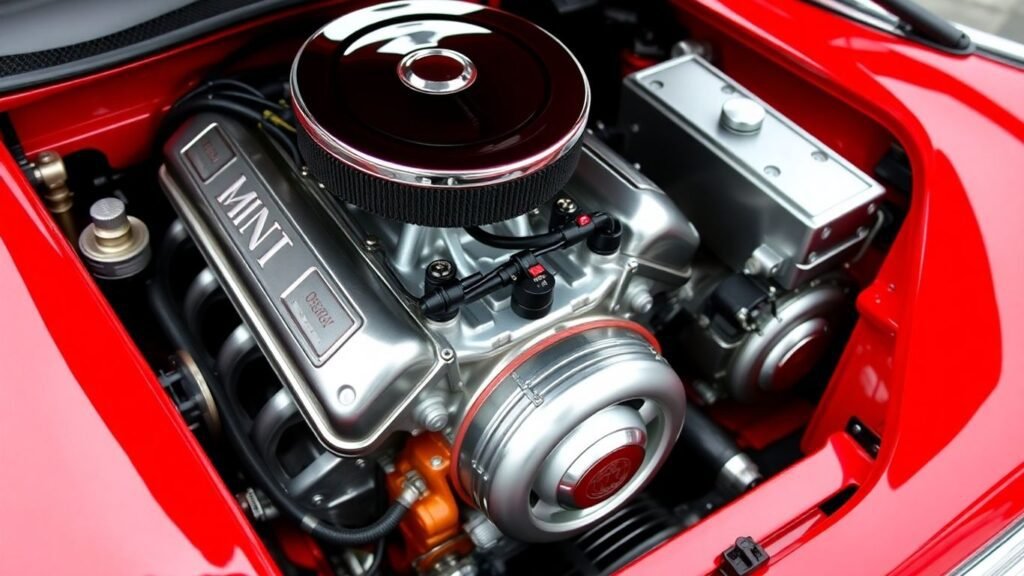
Looking for a Mini Cooper engine for sale can feel like a treasure hunt. These cars have a cool history, and finding the right engine means understanding the different versions that have come out over the years. Whether you’re fixing up an older model or upgrading a newer one, knowing what to look for will save you time and headaches. This guide will help you sort through the options so you can find that perfect Mini Cooper engine.
Key Takeaways
- MINI Coopers have evolved through three main generations, each with distinct engine characteristics and performance levels.
- When buying a used engine, always check its condition, history, and get a pre-purchase inspection.
- Performance variants like John Cooper Works (JCW) offer more power, and engine swaps or electric options are also available.
- Focus on specific model years known for better reliability, especially for first and second-generation engines.
- Budget carefully for engine replacement costs and always seek out reputable sellers when searching for a Mini Cooper engine for sale.
Understanding MINI Cooper Engine Generations
When you first start looking at MINI Coopers, one thing jumps out almost immediately: the car’s engine shapes everything about the ownership experience. Every generation brings its own blend of personality, reliability quirks, and performance. Let’s break down what you’ll actually find under the hood across the MINI’s generations.
First Generation (2002-2006) Engine Characteristics
If you pop the hood of a first-gen MINI, you’re likely looking at a 1.6-liter “Tritec” engine. This engine, built with Chrysler, isn’t exactly high-tech by today’s standards, but it’s pretty sturdy if cared for. You get about 115 horsepower on the standard Cooper, but if you’re after a little excitement, the Cooper S adds a supercharger and jumps to 162–168 horsepower, bringing some real pep to match those classic British good looks. Manual and automatic transmissions changed a bit during these years—the early five-speed manual in the base model was swapped for something tougher in 2004, and the Cooper S always had a six-speed. What I’ve seen, and what folks warn about, is that these early engines can suffer from oil leaks and head gasket trouble if owners don’t keep up on maintenance. But if you find a good one, they’re a blast.
| Model | Engine Type | Horsepower (hp) | Notable Features |
|---|---|---|---|
| Cooper (Base) | 1.6L NA Tritec | 115 | 5-speed manual/CVT, FWD |
| Cooper S | 1.6L Supercharged | 162-168 | 6-speed manual, sportier drive |
Even after more than 20 years on the road, a well-kept first-gen MINI can still turn heads and put a smile on your face at every stoplight.
Second Generation (2007-2013) Engine Evolution
The second generation feels familiar at first, but MINI started fresh here—totally new chassis, electronics, and, most importantly, powertrains. They stuck with 1.6 liters, but now you’re dealing with engines co-developed with Peugeot, offering both naturally-aspirated and turbocharged versions. Base models nudged up to 115–121 hp, but the star here is really the turbocharged Cooper S, pumping out a sprightly 163–181 horsepower. If you spring for a John Cooper Works model, it’s even more intense. That said, these engines gained a bit of a rep for reliability headaches—timing chains, water pumps, and electrical issues like to pop up. The upgrade from CVT to regular automatics and refined six-speed manuals helped a lot, but you’ve still got to stay sharp on maintenance.
| Model | Engine Type | Horsepower (hp) | Key Change |
|---|---|---|---|
| Cooper (Base) | 1.6L NA | 115–121 | Peugeot design, smoother |
| Cooper S | 1.6L Turbocharged | 163–181 | More torque, better MPG |
| JCW | 1.6L Turbo (Tuned) | 208–215 | Sportiest, performance tires |
Third Generation (2014-Present) Powertrain Options
Once you hit third-generation MINIs, you’re really seeing the leap toward the modern era. This round brought in BMW’s turbocharged three-cylinder engines—now the base Cooper makes 134 horsepower, and the turbo-four in the Cooper S is good for 189 horses. A big deal for fans: this generation launched the MINI Cooper SE, a full-electric hatch with a quick, punchy feel and around 110 miles of range. Manual transmissions disappeared for a few years due to parts shortages, but automatics were always there. On the performance side, the John Cooper Works versions are flat-out fast, with the 2020 JCW GP coming in at 302 horsepower—a wild number for a car this size. Reliability on these is better than before, and fuel economy’s strong, too, especially if you stick to the smaller engines.
| Model | Engine Type | Horsepower (hp) | Special Option |
|---|---|---|---|
| Cooper (Base) | 1.5L Turbo 3-cyl | 134 | Best MPG, nimble |
| Cooper S | 2.0L Turbo 4-cyl | 189 | Quicker, sportier feel |
| JCW | 2.0L Turbo 4-cyl (Tuned) | Up to 302 | JCW GP: track-ready |
| Cooper SE (Electric) | Electric | 181 (est.) | ~110 mi range, instant torque |
The third-gen cars really offer something for everyone, from urban commuters to thrill-seekers—it just depends what sort of engine puts a smile on your face.
Key Considerations When Buying a MINI Cooper Engine
So, you’re looking to snag a MINI Cooper engine, huh? That’s cool. But before you hand over your cash, there are a few things you really need to think about. It’s not just about finding one that fits; it’s about finding one that’s going to keep running without causing you a massive headache.
Assessing Engine Condition and History
This is probably the most important step. You want to know as much as possible about the engine’s past life. Ask for service records if they’re available. A well-maintained engine is usually a happy engine. Look for signs of leaks, rust, or any obvious damage. If you can, try to get a look at the engine while it’s still in the car and running. Listen for weird noises – ticks, knocks, or anything that sounds off. Also, check the exhaust smoke; blue smoke usually means it’s burning oil, and black smoke can mean it’s running too rich.
Understanding Common Engine Issues by Generation
MINIs, like most cars, have their quirks depending on which generation you’re looking at. The first-gen engines (2002-2006) sometimes had issues with transmissions and suspension parts, and clutch replacements could get pricey. The second generation (2007-2013) saw a lot of complaints, so you’ll want to be extra careful there. Newer, third-gen engines (2014-present) tend to be more reliable, but they’re also more complex.
| Generation | Common Issues to Watch For |
|---|---|
| First (2002-2006) | Transmission problems, worn suspension, clutch wear |
| Second (2007-2013) | Various reported issues, check specific model year reliability |
| Third (2014-Present) | Generally more reliable, but complexity can mean higher repair costs |
Buying a used engine is always a bit of a gamble. You’re hoping the previous owner took good care of it, but you can’t always be sure. That’s why doing your homework and getting a professional opinion is so important.
Importance of Pre-Purchase Inspections
Seriously, don’t skip this. Get a qualified mechanic, ideally someone who knows MINIs well, to look over the engine before you buy it. They can spot things you might miss and give you a better idea of its overall health. It might cost you a bit upfront, but it could save you a ton of money and stress down the road. Think of it as an investment in peace of mind.
Performance Variants and Engine Upgrades
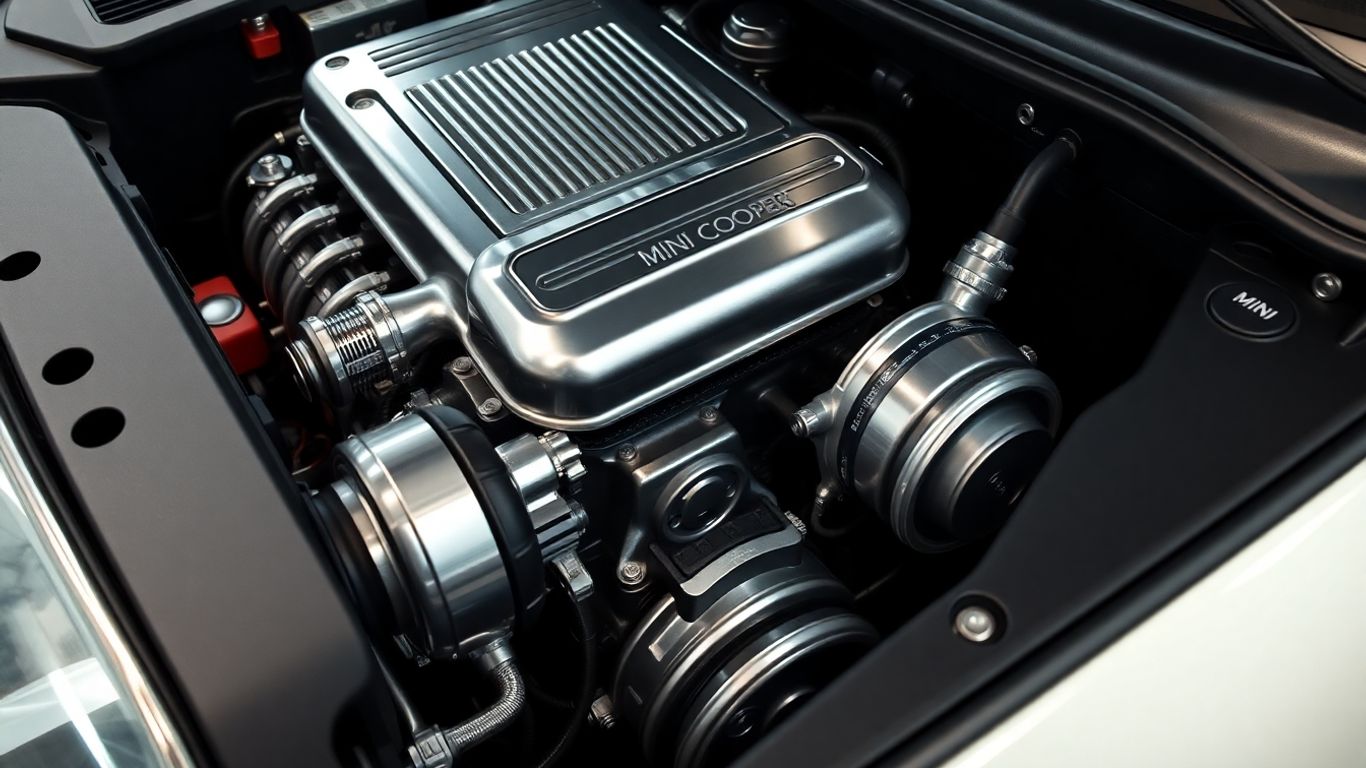
So, you’re looking to get a bit more pep out of your MINI, huh? It’s not just about getting from point A to point B; sometimes, you want that extra kick. MINI has always been good at offering different flavors of fun, and that includes their engines.
John Cooper Works (JCW) Engine Power
When you see the John Cooper Works badge, you know you’re stepping up the performance game. These aren’t your average MINI engines. They’re built for speed and a more aggressive driving feel. Think higher horsepower, sportier tuning, and a sound that lets everyone know you mean business. For example, the third-generation MINI Cooper has seen JCW versions pushing well over 300 horsepower, with special editions like the JCW GP being the fastest factory Coopers ever made, thanks to things like carbon fiber parts and a suspension tuned for the track. It’s a significant jump from the standard models.
Engine Swaps and Modifications
Beyond the factory performance options, the MINI world is full of people who love to tinker. Engine swaps are a thing, especially with the classic Minis where people have put in everything from Honda K-Series motors to make them fly. For the newer generations, it’s more about tuning and adding parts. You can find aftermarket exhausts, intake systems, and ECU re-maps that can wake up an engine. Some folks even add limited-slip differentials, which really help put the power down, especially if you’re planning on hitting the track or doing some autocross. It’s a whole subculture dedicated to making these cars go faster and handle better.
It’s easy to get caught up in the idea of making big changes, but sometimes, a well-maintained stock engine is already a blast to drive. Before you go ripping things apart, take a good, long test drive in a standard model. You might be surprised at how much fun it already is. Plus, sticking closer to stock often means fewer headaches down the road.
Electric Powertrain Options
MINI has also jumped into the electric vehicle scene. The Cooper SE is their all-electric option. While it might not have the longest range compared to some other EVs out there, it’s designed to keep that signature MINI fun-to-drive character. It’s quick off the line and surprisingly agile. For short trips or city driving, it’s a really neat package. Some owners even report better reliability with the electric versions compared to their gasoline counterparts, though they do tend to come with a slightly higher price tag.
Navigating the Used MINI Cooper Engine Market
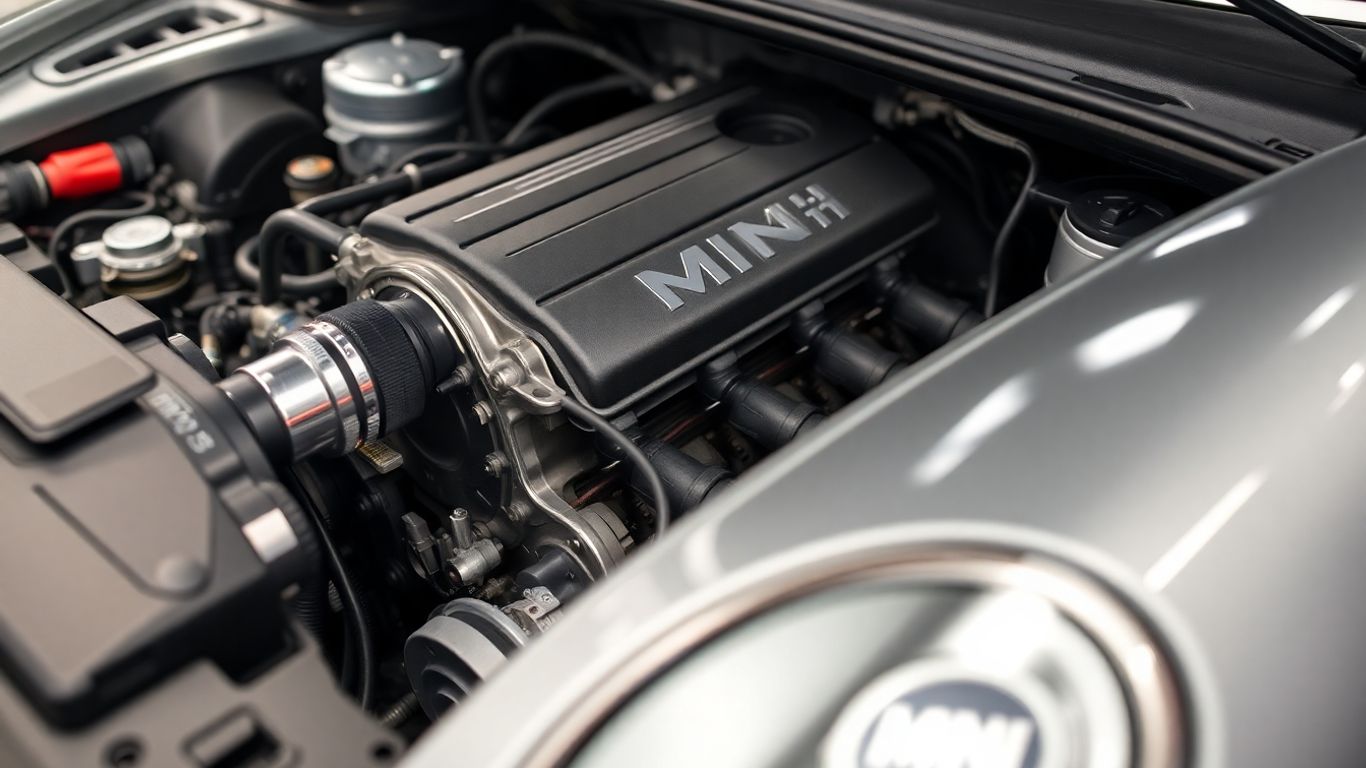
So, you’re looking for a used MINI Cooper engine. It’s a smart move if you’re looking to keep your current MINI running or maybe even do a project car. But let’s be real, the used engine market can feel like a bit of a wild west. You want to make sure you’re getting something solid, not a ticking time bomb. The best advice I can give you is to buy the newest model year your budget allows. MINI, like its parent company BMW, made a lot of tweaks and improvements throughout the production runs of each generation. Generally, later models within a generation tend to be more refined and have ironed out some of the kinks that popped up early on.
Identifying Reliable Model Years
When you’re hunting for a used engine, knowing which model years are generally considered more dependable can save you a lot of headaches. For the first generation (2002-2006), the 2004, 2005, and 2006 model years are often recommended because they saw significant updates. The second generation (2007-2013) had a bit of a mixed reputation, but if you’re looking at this era, aiming for the later years, say 2011-2013, might be a safer bet. For the third generation (2014-Present), the 2015, 2017, and 2019 onwards models have generally shown fewer issues according to various owner reports. It’s always a good idea to check specific model year reliability ratings if you can find them.
Budgeting for Engine Replacement Costs
Okay, let’s talk money. Replacing an engine isn’t cheap, even if you’re buying a used one. You’ve got the cost of the engine itself, plus labor for installation, and any other parts that might need replacing while the engine is out (like the clutch, seals, or hoses). A used engine can range from a few hundred dollars for a basic unit needing work to several thousand for a low-mileage, tested engine. Installation costs can easily add another $1,000 to $3,000 or more, depending on your mechanic and location. It’s wise to set aside a bit of extra cash for unexpected issues that might pop up during the swap.
Finding Reputable Sellers for MINI Cooper Engines
Where you buy your used engine matters. You’ve got a few options. Specialized MINI parts recyclers or salvage yards are often a good bet. They usually test their engines before selling them and might offer a limited warranty. Online marketplaces like eBay can have a wide selection, but you need to be extra careful. Look for sellers with high ratings, detailed descriptions, and clear photos. Always ask for the engine’s mileage, maintenance history if available, and any warranty information. Direct from a private seller can be the cheapest, but it also carries the most risk since there’s usually no recourse if something goes wrong.
When you’re looking at a used engine, don’t just trust the sticker price. Ask questions. Get as much information as you can about its history and condition. A little extra effort upfront can save you a lot of trouble down the road.
Specific Engine Model Year Recommendations
So, you’re looking for a MINI Cooper engine, huh? It can feel like a treasure hunt, especially when you’re trying to figure out which model years are the real gems. Let’s break down some of the better bets for each generation.
Best Years for First-Generation Engines
For the first generation (2002-2006), the 2004 and 2005 model years really stand out. By 2004, MINI had ironed out a lot of the early kinks that plagued the 2001 and 2002 models. Things like rattles were reduced, and software glitches became much less common. The 2004 model year is a solid choice, offering better build quality and more options than its predecessors. The 2005 model year saw a bump in power for the Cooper S, making it a quicker car. Plus, both years benefited from improved components and production processes.
However, even these better years aren’t perfect. The coolant expansion tanks on Cooper S models were known to fail over time, no matter the year. For 2005 models, keep an eye out for potential issues with the redesigned engine mounts, which could leak oil. Clutch and flywheel problems also popped up on some cars from this era. And if you’re looking at models with the CVT automatic transmission, be aware that while issues might be less frequent than in earlier years, the transmission design itself didn’t change much, so it’s still something to consider.
When looking at first-gen engines, especially the 2004 and 2005 models, prioritize those with a solid maintenance history. Manual transmissions are generally more straightforward, but if you’re set on an automatic, the Cooper S models from these years had a more traditional torque converter automatic, which is usually a safer bet than the CVT found in the One and Cooper models.
Evaluating Second-Generation Engine Reliability
Moving into the second generation (2007-2013), the engines generally saw improvements in reliability. The naturally aspirated 1.6L Prince engine (codename N12 for the base Cooper and N14 for the Cooper S) became the standard. While these engines are decent, they did have their own set of issues. Timing chain guides and tensioners are a common wear item, and oil leaks, particularly from the valve cover gasket or oil filter housing, can occur. The Cooper S models, with their turbocharged N14 engine, are more prone to issues like carbon buildup on the intake valves and turbocharger problems if not maintained meticulously. Regular oil changes with the correct type of oil are absolutely key here.
For the second generation, the later years, like 2011-2013, tend to be a bit more reliable as MINI continued to refine the engines and address known problems. The base Cooper models with the N12 engine are generally less complex and might offer a more trouble-free ownership experience compared to the turbocharged Cooper S models, though they might not have the same punch.
Third-Generation Engine Performance and Efficiency
The third generation (2014-Present) brought a new family of modular engines, co-developed with BMW, known as the ‘B’ series (like the B38 3-cylinder and B48 4-cylinder). These engines are generally considered quite robust and offer a good balance of performance and fuel economy. The 3-cylinder engine in the Cooper and Cooper S models is surprisingly peppy and efficient. The 4-cylinder in the Cooper S and John Cooper Works models provides ample power.
Maintenance is still important, of course. Regular oil changes, using the specified oil, are vital. Some owners have reported issues with the water pump or thermostat housing, but these seem less widespread than some of the problems seen in earlier generations. The biggest advantage here is that these are newer engines, so they’ve had fewer years to develop age-related issues. If you’re buying a newer used MINI, the third-generation engines are often a good bet for reliability, especially if you can find one with a good service record.
Wrapping Up Your MINI Engine Hunt
So, you’ve been looking for a MINI Cooper engine. It’s a bit of a journey, right? There are a lot of different models and years out there, and knowing which one fits your needs can feel like a puzzle. Remember to check out the specific years that are generally more reliable, like the 2004 or 2006 models for the first generation, or newer ones if your budget allows. Always, always get a pre-purchase inspection from a mechanic who knows MINIs. It might cost a little upfront, but it can save you a lot of headaches down the road. Don’t rush the decision; there are plenty of MINIs out there. Finding the right engine means you’ll get to enjoy that unique MINI driving experience for years to come.