Key Takeaways
Finding the right Mini part starts with precise vehicle details, then careful checks on fit, condition, and the full cost of the order.
- Identify whether your vehicle is a classic Mini or a modern MINI, and record its year, model, engine, and trim.
- Compare genuine, aftermarket, reconditioned, and used parts against the repair you need and your budget.
- Ask suppliers to confirm fitment using your vehicle details and the part’s references before you order.
- Check delivery costs, return conditions, and warranty procedures as well as the listed price.
- Use suitable workshop information, and seek qualified help for complex or safety-critical repairs.
Identify your Mini and its exact requirements
The word “Mini” can refer to vehicles from very different generations, and a part that suits one may not fit another. Before searching for Mini car parts Australia, gather the details that distinguish your vehicle and the component you need. A few minutes spent checking documents and the part itself can prevent an avoidable order.
Distinguish a classic Mini from a modern MINI
Start by deciding whether you have a classic Mini or a modern MINI. Their names are similar, but the vehicles belong to different eras and should not be treated as interchangeable when searching for parts. Use the registration papers, service records, and vehicle identification information to identify the car clearly. When contacting a seller, write “classic Mini” or “modern MINI” rather than relying on the name alone.
Find the year, model, engine, and trim details
Record the model year, model designation, engine details, and trim as shown in your vehicle documents or service history. These details help narrow the search, especially when a model changed over time or was sold in more than one configuration. If you are unsure which description applies, share a photo of the relevant document or ask a mechanic to help identify it. The more precise your starting information, the easier it is to assess a proposed match.
Use the VIN or chassis number to confirm fitment
A VIN or chassis number can help a supplier check whether a part is listed for your particular vehicle. Copy it carefully from the vehicle or official paperwork, and confirm that the number you provide is complete and legible. It is useful evidence, but should not replace a part-number or physical fitment check where one is available. Give the supplier the number along with the model and year so they can assess the request in context.
Check whether the part is left-hand or right-hand specific
Some components are made for a particular side of the vehicle, and “left” or “right” can be ambiguous if the viewing direction is not stated. Confirm whether the listing describes the side from the driver’s perspective, the front of the vehicle, or another reference point. This matters for items such as mirrors, lights, body panels, and some suspension components. If the part is already removed, photograph its position before ordering so you can explain exactly what needs replacing.
Choose the right type of replacement part
Once you have identified the vehicle, decide what kind of replacement best suits the repair. Genuine, aftermarket, reconditioned, and used parts can differ in source, condition, and price, so the cheapest listing is not automatically the best fit. Think about how the vehicle is used and how much certainty you need about condition and compatibility.
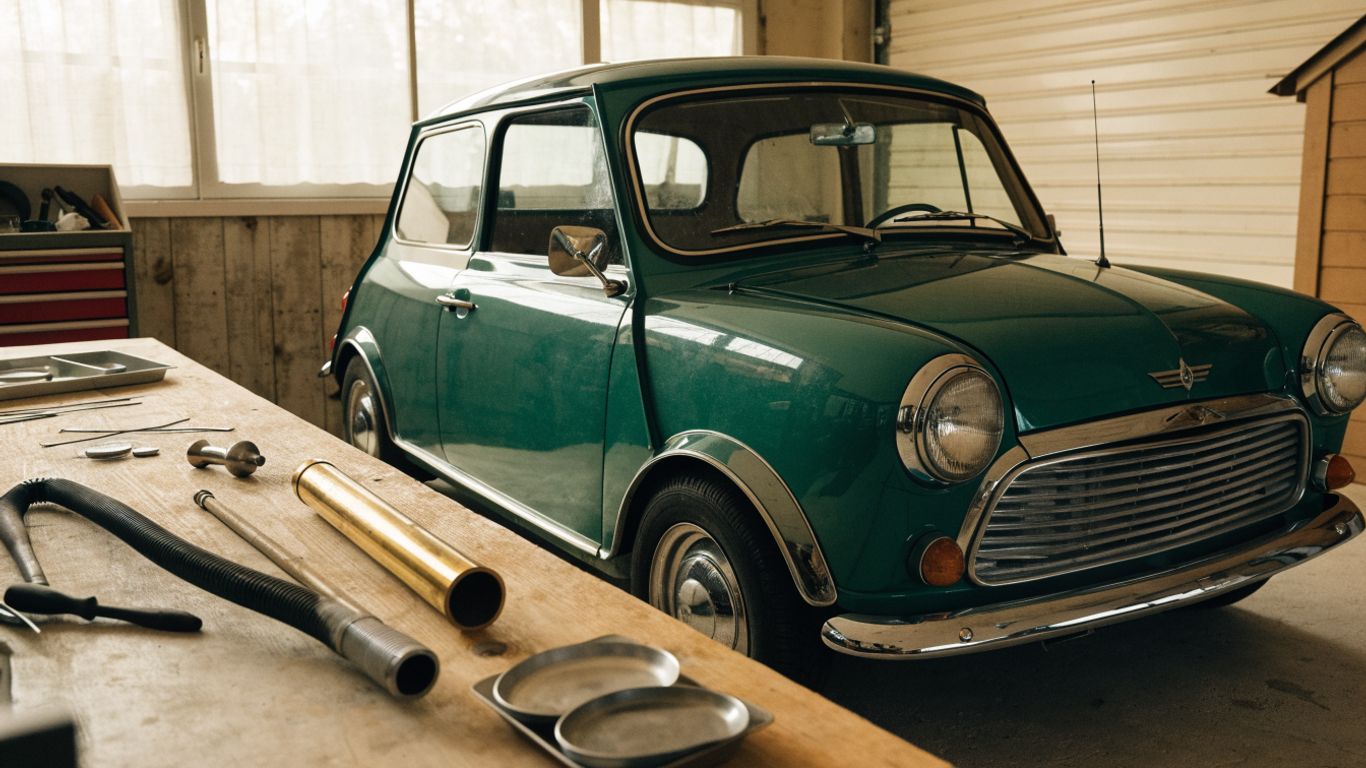
Compare genuine, aftermarket, and reconditioned parts
Genuine parts, aftermarket parts, and reconditioned parts offer different trade-offs; the label alone does not establish suitability for your vehicle. Check the description for the part’s source, condition, included components, and any stated limitations. The following distinctions are a useful starting point, not a substitute for checking the exact item being offered.
| Part type | What to clarify | Useful consideration |
|---|---|---|
| Genuine | Whether it is new and identified for your vehicle | Confirm the applicable reference and fitment details |
| Aftermarket | Who made it and which vehicles it is listed to suit | Check specifications and any stated exclusions |
| Reconditioned | What work was completed and what is included | Ask about condition, testing, and applicable warranty terms |
| Used | The item’s source and visible condition | Request photographs and ask about known wear or damage |
A careful comparison focuses on evidence about the specific component, not assumptions based on its category. Ask questions before ordering if the description leaves the condition, contents, or intended fit unclear.
Know when used parts may be a practical option
A used component may be worth considering when the required part is difficult to source new or when a complete replacement would be costly. Its suitability depends on the part’s condition and role: visible wear may be easy to judge on some items, while internal wear can be harder to assess. Request clear photographs, ask whether the part has been checked, and find out what recourse is available if it arrives damaged or does not match the description. For safety-critical components, get advice from a qualified mechanic before choosing a used option.
Match parts to your repair goals and budget
Set a realistic budget, but include the likely costs of delivery, installation, and any extra hardware the repair may require. For a daily-use vehicle, a well-documented part with clear fitment information may be more valuable than a low-priced item that leaves basic questions unanswered. For a restoration or a less urgent repair, you may have time to compare options more carefully. Prioritize clear condition and fitment details over broad claims that do not explain what is actually being supplied.
Find reliable Mini parts suppliers in Australia
The right supplier should be able to understand your request and explain what they are offering. That does not mean every seller needs to specialize in one vehicle; it means the information you receive should help you make a sound decision. Compare the quality of the answers, not just how quickly a listing appears in a search.
Compare specialist Mini retailers with general parts stores
A specialist retailer may be familiar with the distinctions between Mini generations, while a general parts store may offer a broad range of vehicle components. Neither label guarantees that a particular listing is correct for your car. Check whether the seller can identify the relevant vehicle details, provide a usable part reference, and explain any uncertainty about fit. A clear, specific answer is more useful than a confident but vague assurance.
Check supplier experience with your model and generation
Ask whether the supplier has experience with the generation and model you own, particularly if the vehicle is older or has unusual specifications. Their response should show that they understand which details affect the search rather than treating all Minis as the same. If you are requesting a less common component, share the information you have and ask what else would help establish a match. This gives you a sense of how carefully the order is being assessed.
Review stock availability and customer feedback
Before relying on a listing, check whether the item is described as in stock, available to order, or subject to confirmation. If timing matters, ask when it is expected to dispatch and whether the seller can confirm availability before you pay. Customer feedback can help you understand how a supplier communicates and handles orders, though individual experiences do not guarantee the outcome of your own purchase. Look for specific, relevant comments rather than relying on a single broad rating.
Ask for fitment confirmation before ordering
Provide your vehicle year, model, engine details, and VIN or chassis number when requesting confirmation. Include the part number, a photo of the old component, and a description of the repair if you have them. A useful reply should identify what information was checked and point out any uncertainty or conditions that affect fitment. Keep a copy of the response with your order details in case you need to clarify the recommendation later.
Check compatibility before you buy
A part can look right in a photograph and still differ in a way that prevents a proper fit. Compare identifiers, measurements, connections, and mounting details rather than relying on appearance or a broad model listing. If the vehicle has been modified, mention that early; the original specification may no longer describe what is fitted.
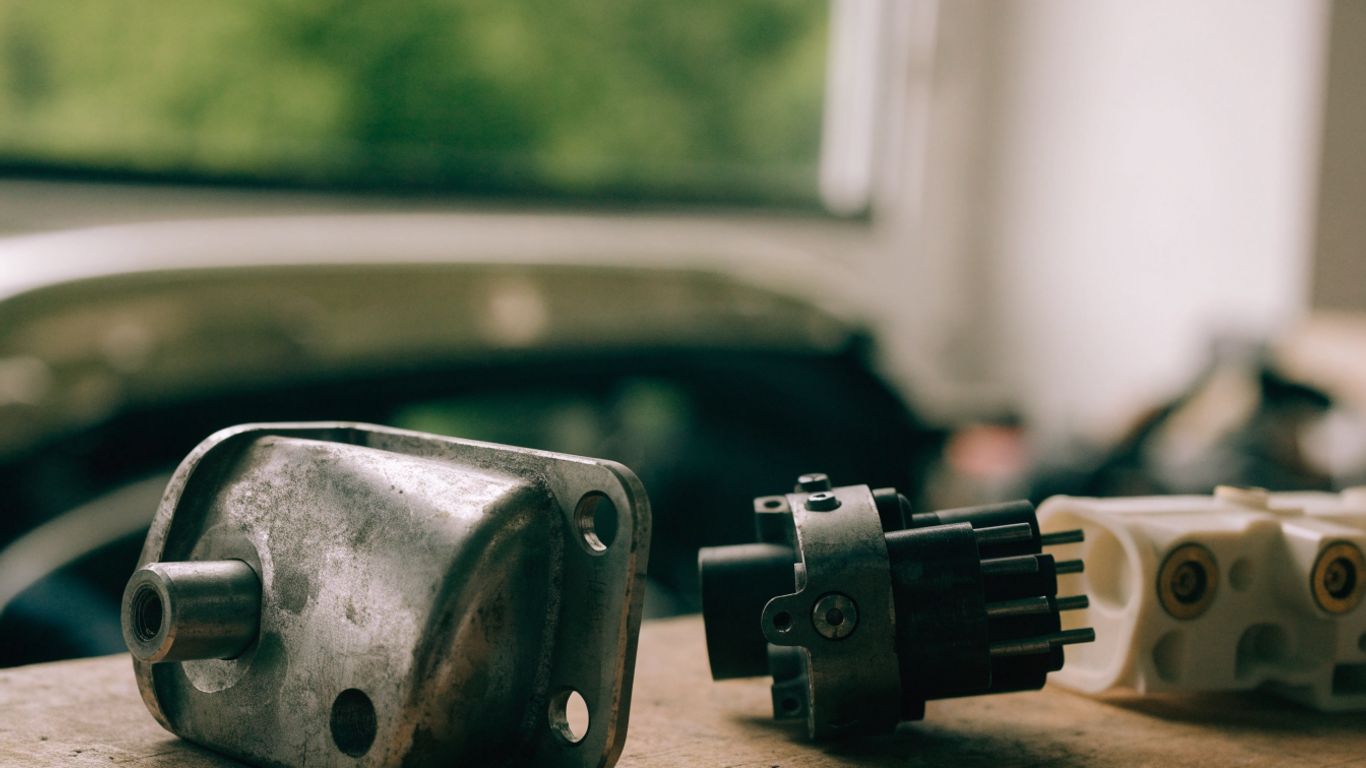
Compare part numbers and manufacturer references
Look for the part number on the component, packaging, or old invoice, then compare it with the reference in the listing. Numbers can be easy to misread, so check every character and note whether the seller is quoting an original reference or a replacement reference. A matching number is useful evidence, but confirm that it applies to your vehicle and the required side or configuration. If two references differ, ask the supplier to explain the relationship before purchasing.
Verify dimensions, connections, and mounting points
For a component where size or layout matters, compare its dimensions, connector type, and mounting points with the old part or reliable workshop information. Check how measurements were taken, especially when a listing gives only one dimension or a photograph lacks scale. Differences in a connector or bracket can make an otherwise similar item unsuitable. If you cannot verify the details yourself, send the supplier clear photographs and ask for the measurements needed to make the comparison.
Confirm compatibility with existing upgrades or modifications
Previous repairs and upgrades can change what will fit, even when the vehicle’s year and model appear to match a catalog description. Tell the supplier about non-standard wheels, suspension, engine, electrical, or body changes that may affect the component. Where possible, identify the modified part by its manufacturer or reference number instead of describing it only in general terms. That additional context can help prevent a standard replacement from being ordered for a changed setup.
Request photos or technical details for older components
For an older component, ask for photographs from more than one angle and request close-ups of its connections, labels, and mounting points. A useful image should make the relevant features visible, not simply show the item at a distance. If the part has wear or damage, ask the seller to describe it plainly and explain whether anything is missing. Keep the supplied images and details alongside your vehicle information while you decide whether the part appears suitable.
Compare costs, delivery, and returns
A listed price is only one part of the buying decision. Delivery, packing, installation, and the possibility of a return can all affect the final cost, especially when an order is traveling a long distance. Check the terms before paying so you know what happens if the part is unsuitable, delayed, or damaged in transit.
Look beyond the listed price to the total order cost
Ask for the total amount payable, including delivery and any other charges shown before checkout. Consider whether the item includes the hardware or related pieces needed for installation, or whether those must be sourced separately. If you are comparing alternatives, make sure the quotes cover parts in similar condition and with comparable contents. A small difference in the headline price may matter less than missing details that lead to extra work or expense.
Check delivery coverage and dispatch times across Australia
Confirm that the seller delivers to your location and ask for an estimated dispatch time as well as a delivery estimate. These are not the same: an item may need to be located or prepared before it leaves the supplier. If you live outside a major city, check whether any part of the delivery relies on a regional service or collection point. Share any timing constraints before ordering, and get the estimate in writing if the date is important.
Review return conditions for incorrect or unsuitable parts
Read the return conditions before purchase, especially if fitment has not been confirmed or the item is being sourced specifically for you. Check the time limit, the condition in which the part must be returned, who pays return shipping, and whether any exclusions apply. Ask what the procedure is if the supplier’s fitment advice turns out to be incorrect. Knowing these terms in advance makes it easier to decide whether the purchase is worth the risk.
Ask how warranty claims and damaged deliveries are handled
Find out whether the part has a warranty and what documents or evidence may be needed to make a claim. For a delivery that arrives damaged, ask how soon you need to notify the seller and whether photographs of the packaging and item are required. Inspect the parcel promptly and keep its packaging until you have checked the contents. Clear records can help resolve a problem without relying on memory later.
Plan installation and ongoing maintenance
Choosing the part is only one stage of the repair. Consider what installation involves, what information or tools you will need, and how you will keep track of the work afterward. Planning these details can make a repair easier to manage and help you avoid rushing into a job that needs specialist support.
Decide whether the repair suits a DIY installation
Think honestly about the tools, experience, and time the job requires. A straightforward replacement may be manageable for someone familiar with the vehicle, while a repair involving complex systems or significant disassembly may not be. Before beginning, check the procedure and identify any steps that call for specialist equipment or safety precautions. If the task is beyond your experience, arranging professional help early is usually a better plan than trying to resolve problems halfway through.
Gather the correct tools and workshop information
Consult reliable workshop information for the exact vehicle and repair, then make sure the listed tools and replacement hardware are available before you start. Instructions for a similar model or year may not cover the details of your vehicle. It helps to read the full procedure first, note any cautions, and check that the supplied part matches the one the instructions describe. Being prepared reduces the chance that the vehicle will be left apart while you search for a missing item.
Use a qualified mechanic for complex or safety-critical work
Repairs involving brakes, steering, suspension, or other safety-critical systems call for particular care. If you are uncertain about the diagnosis, installation steps, or final checks, consult a qualified mechanic. A professional can also assess whether the replacement part suits the vehicle and its existing condition. General advice online is not a substitute for an inspection when a repair affects safe operation.
Keep records of part numbers, receipts, and servicing
Save the part number, supplier details, invoice, and any fitment advice with your service records. Note when the part was installed and who completed the work, along with any relevant maintenance performed afterward. If the same component is needed again, these records can make the next search more precise. They also give a mechanic useful context when diagnosing a future issue.
Conclusion
Finding the right Mini part in Australia is less about choosing the first promising listing and more about verifying the details step by step. Identify the vehicle accurately, compare options based on condition and purpose, and confirm compatibility before ordering. With clear questions about price, delivery, returns, and installation, you can make a more informed choice and keep a useful record for the next repair.