Key Takeaways
Buying the right Mini part starts with knowing exactly which car and component you have. A little checking before checkout can prevent costly fitment surprises.
- Record your Mini’s generation, year, trim, VIN, and existing part number.
- Compare aftermarket, genuine, and used options by condition, warranty, and expected lifespan.
- Confirm compatibility with the engine, drivetrain, model origin, and any modifications.
- Check supplier details, delivery costs, returns, and applicable Australian requirements.
- Plan installation carefully and keep records for future servicing.
Identify your Mini and the parts you need
Mini can refer to very different vehicles, so start by identifying the car rather than browsing by a broad name alone. A part that fits one generation or trim may not suit another, even when the cars look similar. For aftermarket Mini parts Australia buyers, a few precise details make the search more reliable.
Check the model, generation, year, and trim
Write down the model name, generation or series, build year, and trim before searching. Include body style where relevant, since a hatch, convertible, or Clubman may use different components. Registration documents and the vehicle’s service records can help confirm details if you are unsure.
Record VIN and part numbers before ordering
The VIN can help a supplier identify the vehicle’s configuration, while a number printed on the old part can narrow the search further. Photograph labels and markings before removing anything, and check that the number belongs to the component rather than nearby packaging. Share these details when asking for a fitment check.
Distinguish classic Minis from modern MINI models
Classic Minis and modern MINI vehicles belong to different eras and use different parts catalogues. Even modern models span multiple generations, so a general search for “Mini” may return components that are not interchangeable. Make the classic-or-modern distinction explicit in every enquiry.
Decide whether you need replacement, upgrade, or restoration parts
A direct replacement is usually chosen to return a car to working order, while an upgrade may change performance, appearance, or function. Restoration work can call for period-appropriate components or parts that preserve original details. Decide which outcome matters most before comparing options, since “fits” does not necessarily mean “matches the result you want.”
Choose between aftermarket, genuine, and used parts
The lowest listed price is only one part of the decision. Consider how long the component is expected to last, what its warranty covers, and whether its condition is known. Comparing these factors together can help you choose a part that suits both the job and your budget.
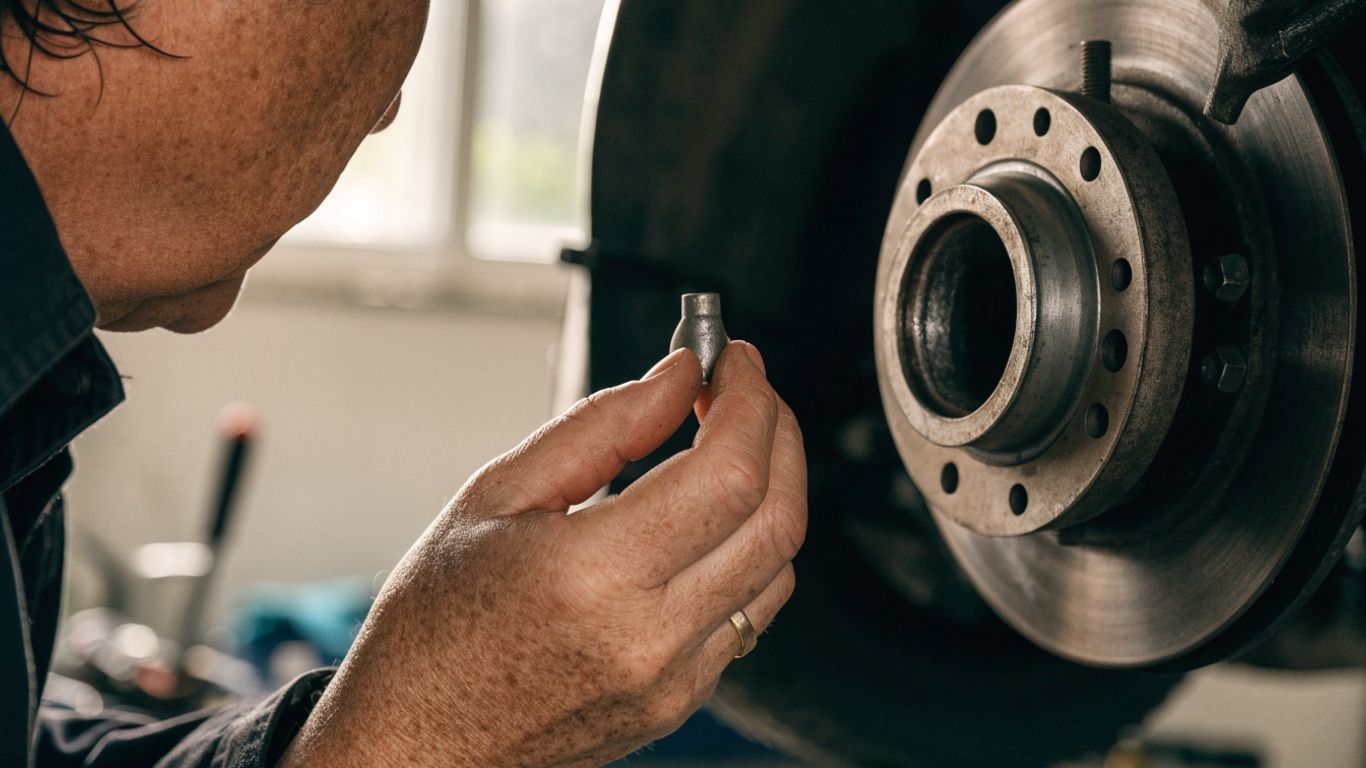
Compare price with expected lifespan
A cheaper part may be a sensible choice for a short-term repair, but less attractive if replacement involves substantial labour or downtime. Ask what is known about the component’s expected service life and compare the total cost of ownership, not just the checkout price. This simple comparison can make long-term value clearer.
| Option | What to compare | Useful question |
|---|---|---|
| Aftermarket | Price, specification, and warranty | What does the warranty cover? |
| Genuine | Price and exact application | Is this the correct part for my vehicle details? |
| Used | Condition, wear, and testing | Can the supplier describe or document its condition? |
Use the answers to weigh purchase price against confidence, expected use, and the effort involved in fitting a replacement. The best choice depends on the part and the car’s purpose; one category is not automatically right for every repair.
Check materials, manufacturing standards, and warranty terms
Product descriptions should identify the component clearly and provide useful information about materials or applicable specifications. If those details are absent, ask the seller rather than assuming that a similar-looking part has the same construction. Read warranty terms for duration, exclusions, and the process for making a claim.
Consider genuine parts for safety-critical systems
For brakes, steering, and other safety-critical systems, take extra care with application, quality information, and installation. Genuine parts may be one option to consider, but the label alone does not answer every question about suitability or condition. Confirm the exact specification and consult a qualified mechanic when the choice is uncertain.
Weigh used parts against their condition and availability
A used component can be useful when a new replacement is difficult to source or when matching an older vehicle matters. Ask for clear photos, a description of wear or damage, and any available information about testing. A low price is less appealing if the part’s history or condition is unclear.
A part is only a bargain when its condition and suitability are understood.
Use that principle when comparing used components, especially where access for inspection is limited. If the seller cannot answer basic questions, factor that uncertainty into the decision or keep looking.
Confirm fitment before you buy
A product title can suggest a match without accounting for every difference between vehicles. Confirming fitment before paying is particularly helpful when the part is costly, difficult to return, or tied to a specific engine or drivetrain. Give the supplier enough information to check the application rather than relying on appearance alone.
Check compatibility with your engine and drivetrain
Confirm the engine variant, transmission, and drivetrain details relevant to the component. Parts that look alike may differ in connections, dimensions, or mounting points. Provide the VIN and any existing part number, then ask the seller to confirm compatibility for the particular vehicle.
Verify fitment for Australian-delivered and imported models
A Mini sold in Australia may differ from an imported example in specification or equipment. If the car was imported, share its original market and any available build information when requesting a check. Do not assume that a part listed for the same model name and year necessarily matches every market version.
Ask about modifications that may affect compatibility
Previous repairs and modifications can change what will fit. Mention non-standard suspension, engine or drivetrain changes, and altered body components if they could affect the part. This is especially useful on older cars, where the current setup may not match factory records.
Confirm what hardware or installation parts are included
Check whether the purchase includes required clips, seals, brackets, fasteners, or other fitting items. Some parts may be supplied alone even when additional hardware is needed for installation. Clarify this before ordering so you can source everything together and avoid unnecessary delays.
Find reliable Australian suppliers
A useful supplier makes it easier to identify the right part, understand its condition, and resolve problems if something goes wrong. Compare how clearly sellers describe their stock and how readily they answer vehicle-specific questions. This matters whether you are buying locally or arranging delivery from elsewhere.
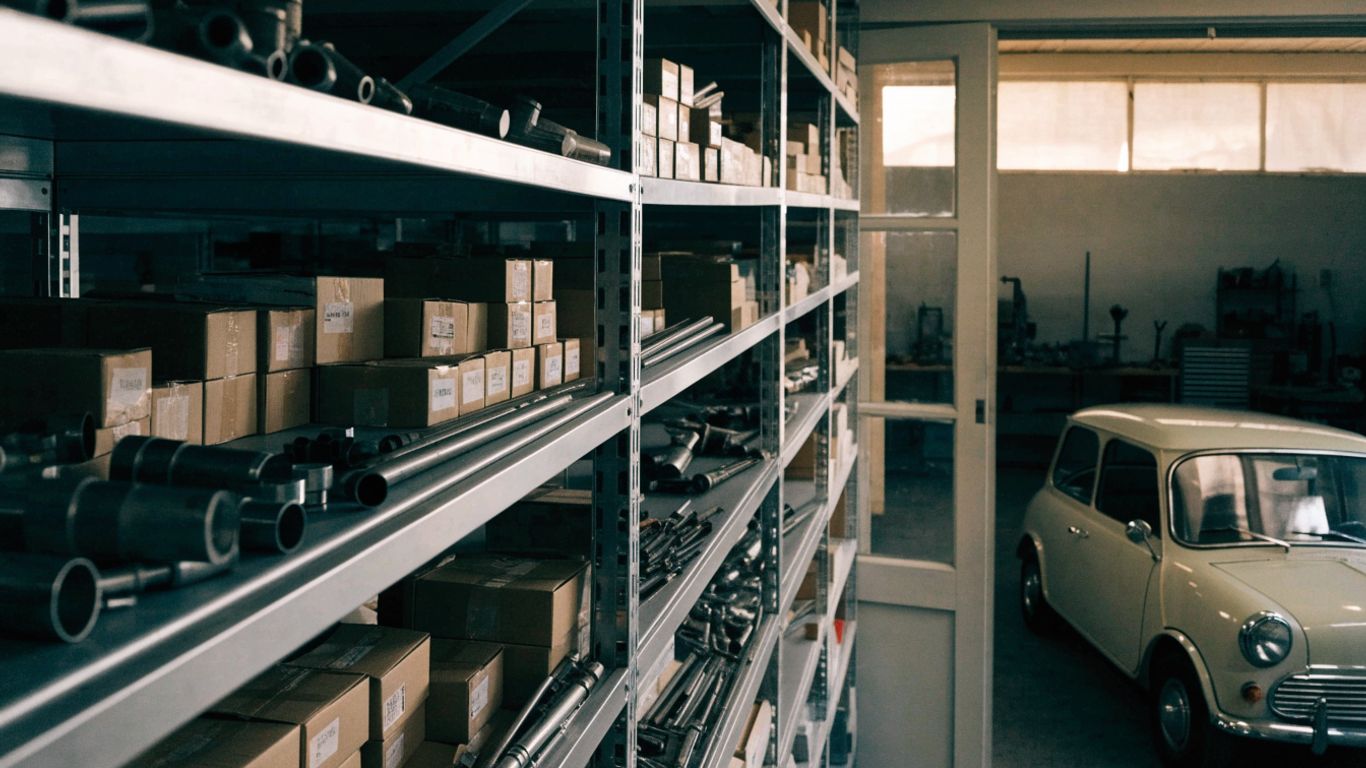
Compare specialist Mini retailers and general parts stores
A specialist may be familiar with Mini generations and common fitment distinctions, while a general parts store may offer a broader catalogue. Rather than judging by store type alone, ask whether the seller can verify the exact application using your VIN, model details, or part number. A clear answer is more useful than a broad claim of compatibility.
Assess product descriptions, photos, and technical support
Look for a specific part description, the models or years it suits, and clear photographs when condition or appearance matters. Ask for additional images if the listing leaves a question unresolved. Responsive technical support is useful when your vehicle has an unusual specification or prior modifications.
Read reviews with attention to model-specific experience
Reviews can offer context about communication, packaging, and how a supplier handles issues. Give more weight to feedback that describes a similar Mini or a comparable part, rather than treating general praise as proof of fitment. Reviews are one source of information, not a substitute for confirming compatibility.
Check stock status, returns, and warranty processes
Before paying, find out whether the part is physically in stock or needs to be sourced, and ask for a realistic dispatch estimate. Read the return conditions, including any requirements for unused parts or original packaging. Knowing how a warranty claim is handled can make a difference if the component arrives damaged or proves unsuitable.
Understand shipping, costs, and local requirements
The listed price may not be the final cost once delivery, import charges, or fitting are considered. Compare the full amount and likely timeframe before committing, especially if the car is off the road. Modified components may also raise compliance questions that are separate from whether the part physically fits.
Compare delivery fees, timeframes, and tracking
Check the shipping cost to your postcode, the estimated dispatch and transit times, and whether tracking is provided. Large or delicate parts may have different delivery conditions from small components. If timing matters, confirm the expected arrival window directly rather than relying only on a general estimate.
Account for import charges on overseas orders
An overseas order may involve charges beyond the advertised item price and shipping fee. Check what the seller includes in its quote and what, if anything, may be payable on arrival. Comparing the full landed cost with a local option gives a more useful basis for deciding.
Check Australian Design Rules implications for modified parts
A part intended for modification may affect whether a vehicle remains compliant with applicable Australian Design Rules or other requirements. The implications depend on the component and the change being made. Before buying, seek current guidance from the relevant authority or a qualified automotive professional rather than assuming that a bolt-on part is automatically acceptable for road use.
Review state and territory rules for road-going modifications
Requirements for modified vehicles can vary by state or territory, and the details may depend on the work involved. Check current local rules before changing a road-going vehicle, particularly if the modification affects safety or vehicle specifications. Keep written guidance or approval documents where applicable.
Plan installation and maintenance
A suitable part still needs to be installed correctly and checked afterward. Decide who will do the work before ordering, since labour, tools, and workshop availability can affect the overall cost. A little preparation also helps preserve useful records for the next repair.
Decide whether to fit the part yourself or use a specialist
Consider the job’s complexity, your experience, and the consequences of an installation error. Straightforward work may be manageable at home, while safety-critical or technically demanding repairs are better discussed with a qualified specialist. Include labour in your budget when comparing parts.
Check tools, skill requirements, and installation instructions
Read the instructions before beginning and make sure the required tools are available. If a procedure calls for specialist equipment or skills you do not have, arrange professional help rather than improvising. Confirm any additional seals or hardware before you start so the vehicle is not left waiting for a missing item.
Keep receipts and records for future servicing
Save the invoice, part number, warranty information, and any fitment correspondence. Record the installation date and, if relevant, the workshop that performed the work. These details make future troubleshooting and servicing easier, particularly if a similar component needs attention later.
Recheck fasteners and performance after installation
Follow the manufacturer’s instructions for any post-installation checks or retightening. Pay attention to new noises, warning lights, leaks, or changes in handling, and stop driving if the vehicle does not seem safe. A prompt inspection can catch a problem before it becomes a larger repair.
Conclusion
Choosing Mini parts is easier when you identify the car carefully, confirm fitment, and compare the full cost of each option. Take time to check supplier information, shipping, and local requirements, then plan the installation and keep a record of the work. Those steps help make a practical purchase, whether the part is for a routine repair, an upgrade, or a restoration.