Key Takeaways
Finding the right salvage components for your vehicle helps maintain performance while managing long-term owning costs. This guide outlines how to source reliable components safely and effectively in the Toowoomba region.
- Buying second-hand parts provides significant savings compared to buying new.
- Recycling automotive components reduces the environmental impact of vehicle ownership.
- Local wreckers often hold rare or discontinued parts that are hard to find.
- Verification of part quality ensures your repairs last as intended.
- Professional installation is advised for complex systems to ensure safety.
Understanding the benefits of sourcing second-hand parts in Toowoomba
Locating affordable components for your vehicle often leads local enthusiasts to explore the local salvage market. By choosing reclaimed items, you can maintain your vehicle without the premium expense of dealership markups. This approach supports a circular economy within the Toowoomba area while keeping your car on the road for fewer total dollars.
Cost-effectiveness compared to brand-new dealership prices
Many owners find that second-hand components offer a sensible path to repair when dealership prices exceed budget expectations. Choosing these items allows for high-quality repairs at a fraction of the cost required for factory-fresh assemblies. It is an effective way to handle routine maintenance without compromising the financial health of your household.
Environmental impact of recycling automotive components
Reusing parts effectively diverts heavy metals and plastics from landfills, which serves as a responsible choice for any vehicle owner. When you reclaim an existing component, you extend the life of energy already invested in the manufacturing process. This small choice contributes to sustainable automotive practices in the region.
Immediate availability of discontinued or legacy parts
For older vehicle models, finding original parts in active production can be challenging. Local salvage yards frequently stock legacy parts that are no longer supported by manufacturers, ensuring you have access to exactly what your vehicle requires. This availability bypasses the long wait times often associated with sourcing specialized overseas components.
Identifying reputable Mini Cooper Clubman wreckers
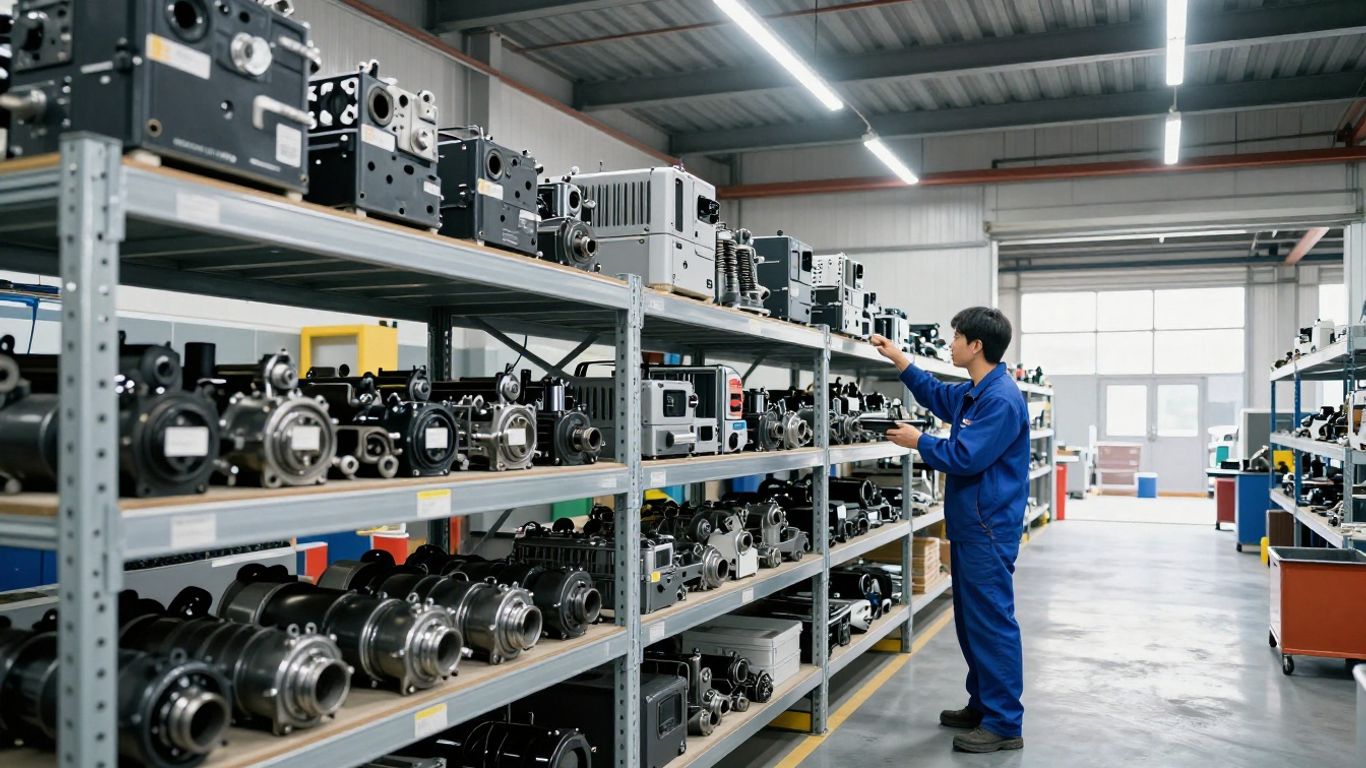
Finding a dependable supplier requires looking for indicators of professionalism and clear communication. A reliable facility is tidy, utilizes organized inventory systems, and focuses on transparency regarding part condition. Spending time to vet these businesses ensures that the transaction remains smooth and that the component you buy serves your vehicle well.
Checking industry certifications and business licenses
Legitimate operations hold the necessary permits to dismantle vehicles and manage hazardous fluids correctly. These certifications serve as your assurance that the business operates within legal standards and maintains a standard of quality control. Before making a purchase, verify that they operate openly as a registered automotive business.
Analyzing customer reviews and local reputation
Online feedback or word-of-mouth experiences often reveal much about a business’s integrity. Look for shops that consistently provide helpful support and clear communication throughout the inquiry phase. A strong reputation in the community is usually built on accuracy and fair pricing for all customers.
Evaluating inventory specialization for Mini models
Specialized knowledge regarding Mini platforms helps ensure that the parts you acquire are perfectly suited for your specific generation. Dealing with a shop that understands the nuances of the Mini product line reduces the chance of receiving an incompatible component. This helps prevent frustration and ensures your project benefits from expert, model-specific sourcing.
Assessing the quality of recycled car parts
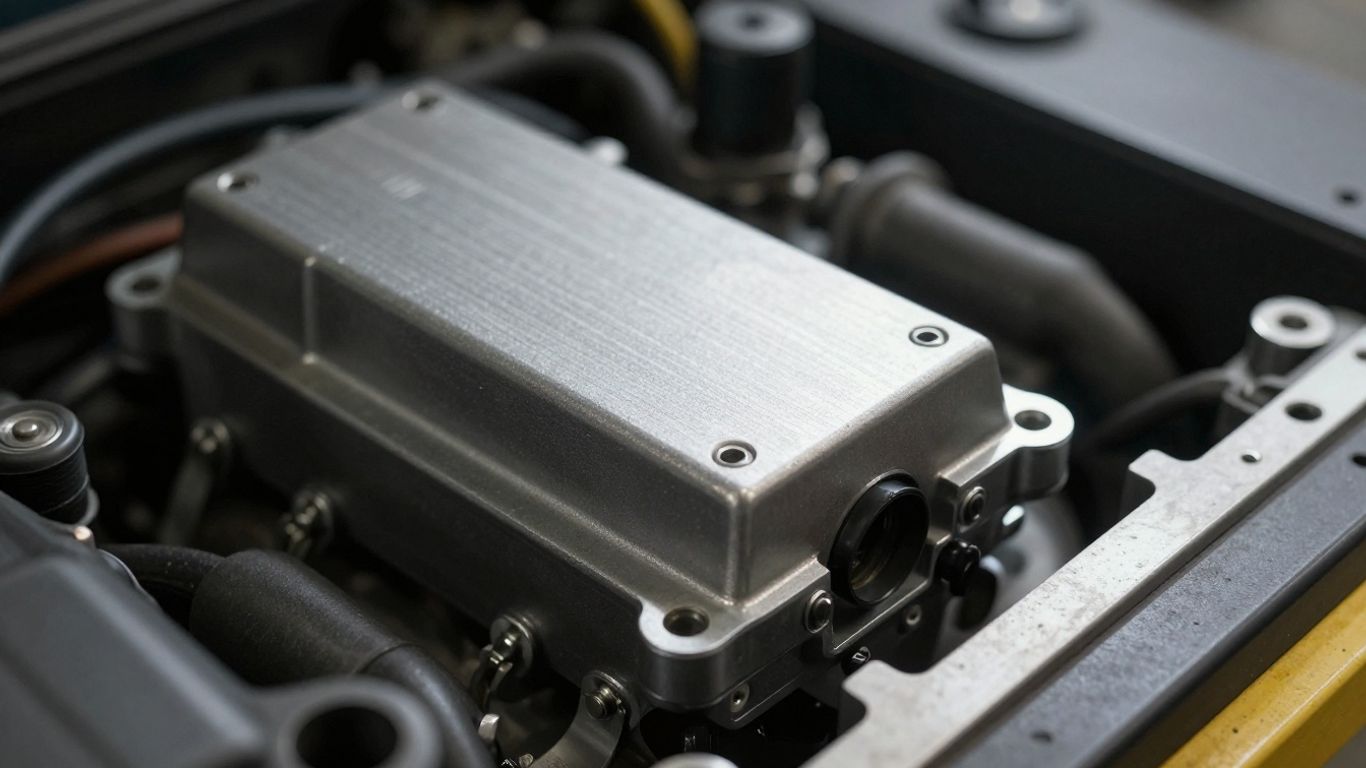
Inspecting reclaimed hardware requires a keen eye for signs of aging or damage. You should treat the assessment process as a critical step in restoring your vehicle to its peak function. By utilizing proper diagnostic techniques, you protect your investment in the Mini Cooper Clubman wreckers Toowoomba – second hand parts industry.
Inspecting for structural integrity and component wear
Visual checks for corrosion, stress fractures, or excessive rust are essential before finalizing any transaction. You want to confirm the component maintains its original shape and that internal mechanisms move smoothly as intended. Ensuring these physical traits meet standards is key to long-term reliability.
Verifying the difference between tested and untested parts
Understanding whether a part has been pulled from a running vehicle versus an unknown core is vital for decision-making. Testing often includes checking electrical connectivity or mechanical rotation to verify performance before sale. The following table illustrates the standard breakdown of component categorizations you might encounter:
| Part Status | Description | Reliability Level |
|---|---|---|
| Tested | Verified functional before removal | High |
| Checked | Visually inspected for external flaws | Moderate |
| As-Is | Removed from salvage without full check | Variable |
Selecting a tested part provides peace of mind that the item is functional before it arrives at your workbench.
Understanding warranties and return policies for salvaged items
Clear policies regarding returns protect the buyer if a part fails to perform as expected after installation. Reputable wreckers will state what coverage they offer for electronic or mechanical assemblies. Knowing these terms in advance helps avoid confusion later if an issue arises with the purchased item.
Navigating the parts procurement process in regional Queensland
Effective procurement requires patience and clear data when discussing your needs with local suppliers. Because regional access varies, you should prepare your requirements carefully to ensure local teams can match your request accurately. Working proactively with the supplier makes the entire process more efficient for both parties.
Tips for verifying part numbers and vehicle compatibility
Cross-referencing part numbers ensures that a generic component truly fits your specific Mini edition. Taking the time to double-check these codes prevents errors that lead to extra shipping costs or delayed repairs. Precision in verification saves effort when fitting modules like specialized light assemblies or interior switches.
Coordinating local pickup versus long-distance shipping options
Deciding between personal retrieval and delivery depends on the size of the part and your capacity for transport. Local pickup is often the most economical choice when dealing with heavy engine components or body panels. It also allows for a final inspection of the goods in person before you finalize the payment.
Communicating vehicle identification numbers (VINs) effectively
Providing your unique VIN is the most precise way to confirm total compatibility for complex electronic modules. When communicating with staff, this number acts as a universal reference that bridges the gap between your car and their salvage inventory. Providing this detail early speeds up the search process significantly.
Essential tips for installing used Clubman components
Successful installation relies on proper preparation and understanding your personal limitations with automotive work. Taking care during this step ensures that your repairs remain durable over the long term. If you find yourself facing complex systems, acknowledging the need for professional help is a sign of practical judgment.
Safety considerations for DIY automotive repairs
Always ensure your vehicle is supported firmly by rated jack stands on level ground before working underneath. Never rely solely on a standard hydraulic jack, as mechanical failure can occur without warning, creating significant hazards for any amateur technician.
Following these safety protocols is the most critical step for those performing their own repairs. By maintaining this professional standard at home, you ensure the physical integrity of your work environment while successfully integrating reclaimed components without oversight.
Knowing when to hire a professional mechanic for installation
Certain jobs involve intricate engine synchronization or complex software calibrations that demand dedicated shop equipment. Recognizing when these tasks surpass home capacity is vital for long-term health of the engine. A professional mechanic brings diagnostic tools that verify the entire system is operating within factory specifications.
Documenting part origins for future vehicle resale value
Keeping records of your maintenance history, including receipts for all salvage parts, adds legitimacy to your vehicle’s history. Future buyers value documented proof that servicing was handled with care and that components were sourced correctly. This transparency reflects well on your commitment to the long-term upkeep of your car.
Conclusion
Sourcing high-quality parts from local salvage yards offers a sustainable and economical way to maintain your vehicle. By focusing on reputable providers, using precise identifying data, and prioritizing safety during installation, you ensure long-lasting performance for your car. Following these steps helps build a reliable repair strategy that benefits both your budget and the local automotive community.